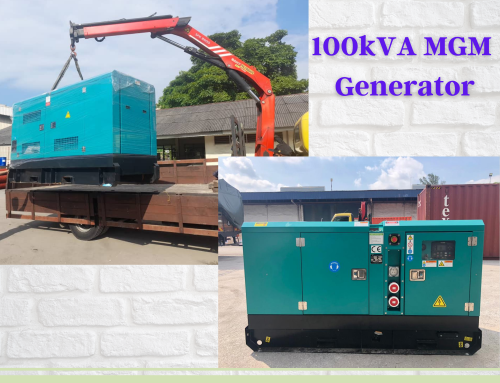

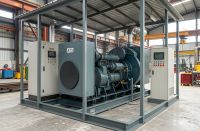
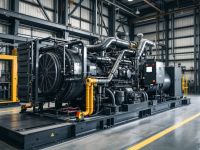


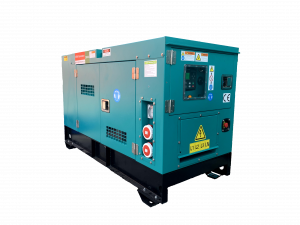


Choosing a genset untuk kilang (factory genset) is not the same decision as choosing one for a tapak pembinaan (construction site) — yet every month Malaysian buyers compare the two spec sheets side by side and pick the wrong machine. A factory genset is a standby guardian: it sleeps most days, then carries the entire plant through a TNB outage without blinking. A construction site genset is a workhorse: it runs eight to twelve hours a day as the site’s primary power source, gets towed between locations, and eats dust. In this guide MGM Generators breaks down how the duty cycle, sizing maths, installation and ownership model differ — so you buy or rent the right diesel generator the first time, at the right price.
Factory vs Construction Site: Two Completely Different Power Jobs
Before we compare kilowatts, compare roles — because the role decides everything else.
Standby Power vs Primary Power
A factory genset is standby equipment. It may run 50–150 hours a year, almost always starting automatically when the TNB supply fails. Its job is reliability under a sudden full-plant load: conveyor lines, air compressors, CNC machines, HVAC and lighting must come back within 10–15 seconds. A construction site genset is primary (continuous-prime) equipment. It can run 2,000–4,000 hours a year because there is no grid to fall back on until TNB’s temporary supply is energised — often months later.
The consequence: a standby unit is judged on instant load acceptance, while a prime unit is judged on fuel burn, service intervals and durability. A genset that is perfect for one role can be a poor economic fit for the other.
Fixed Installation vs Mobile Power
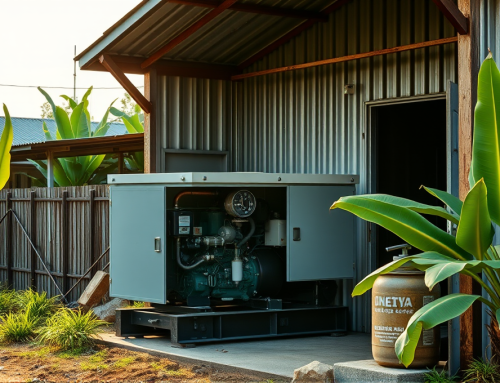
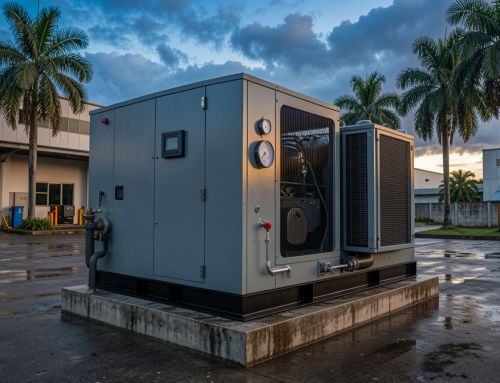
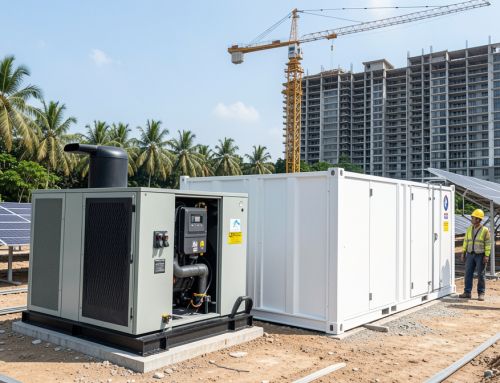
Factory units live in a fixed genset room or an outdoor compound pad: bunded day tank, exhaust routed through the wall, control panel on the wall, ATS in the MDB. They rarely move after commissioning. Site units live on trailers or skids with lifting eyes, lockable canopy, anti-vandal tank and a tow bar. Many are shared assets rented by the month and moved between projects. If your machine will ever be towed, buy for mobility; if it will ever sleep in a genset room, buy for silent, automatic standby duty.
How to Size a Genset for a Factory in Malaysia
Start from Connected Load, Finish at Motor Starting
Total the running load on the MDB, apply the diversity factor, then test the largest directly-started motor. A 30 kW star-delta or soft-start motor is usually easy; a 30 kW DOL compressor can demand six to eight times its running current for half a second, momentarily dragging voltage and tripping contactors. Size so the generator kVA comfortably absorbs the largest starting kVA while carrying the rest of the plant. Our free genset sizing & fuel calculator runs this check in minutes, and full methodology is in our factory backup generator guide.
AMF/ATS and Clean Power for Production Lines
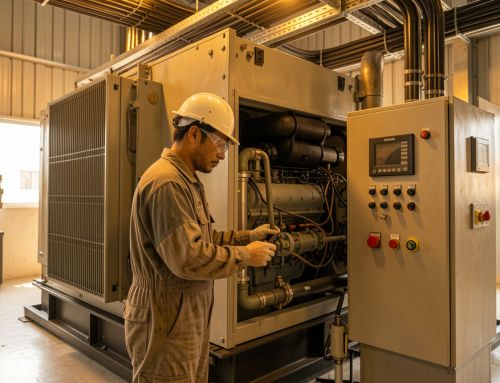
Factories need automatic mains failure (AMF) changeover — nobody should be running to a generator panel at 2am when the plant is empty. Sensitive process equipment (servo drives, PLCs, welding inverters) also needs steady frequency and voltage, which means a proper AVR, correctly detuned power-factor capacitors, and, for large plants, synchronisation with TNB for selective loads. This control-panel work is a big part of why a factory installation costs more than the bare genset — and why it is done once, properly.
Typical Factory Range
Most Malaysian factories land between 100 kVA and 500 kVA: a light-industrial workshop with compressors at 100–150 kVA, a full production factory at 250–400 kVA. The unit will idle in standby most of its life, so buyers prioritise Perkins/Cummins-class engines, jacket water heaters, battery trickle chargers and a monthly-run regime under service contract.
How to Choose a Genset for a Construction Site
Size for Compressors, Rebar Cutters and Cranes
Site loads are small but brutal: a 7.5-bar compressor, rebar cutters, welding sets, drop lights, a tower crane, office container and charger tools. Again the starting surge matters — a piston compressor can demand three to four times its running kW — but unlike a factory, most site tools are single-phase 230 V, so you also need balanced phase loading and correct cable sizing to the far end of the site.
Canopy, Fuel Autonomy and Abuse Protection
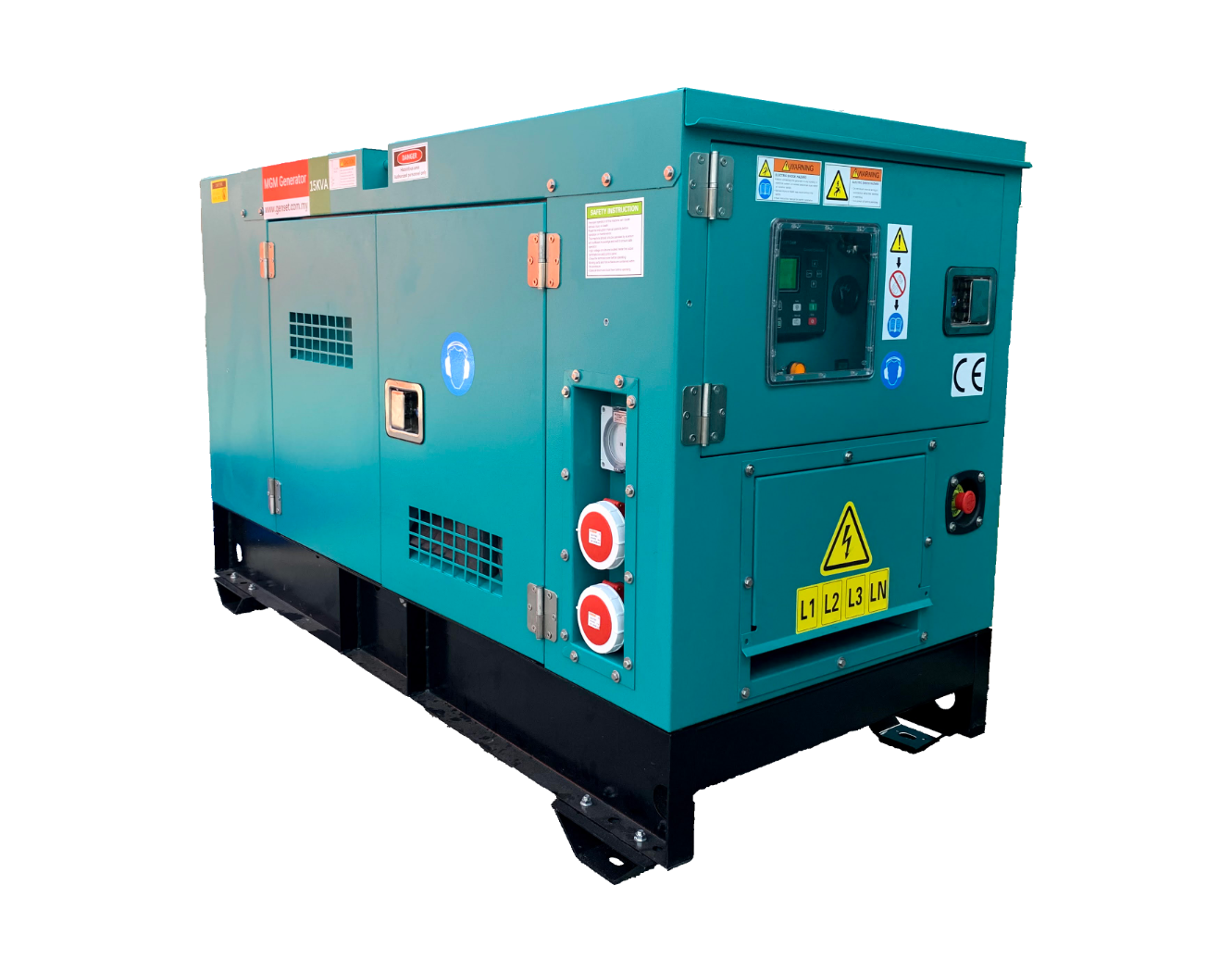
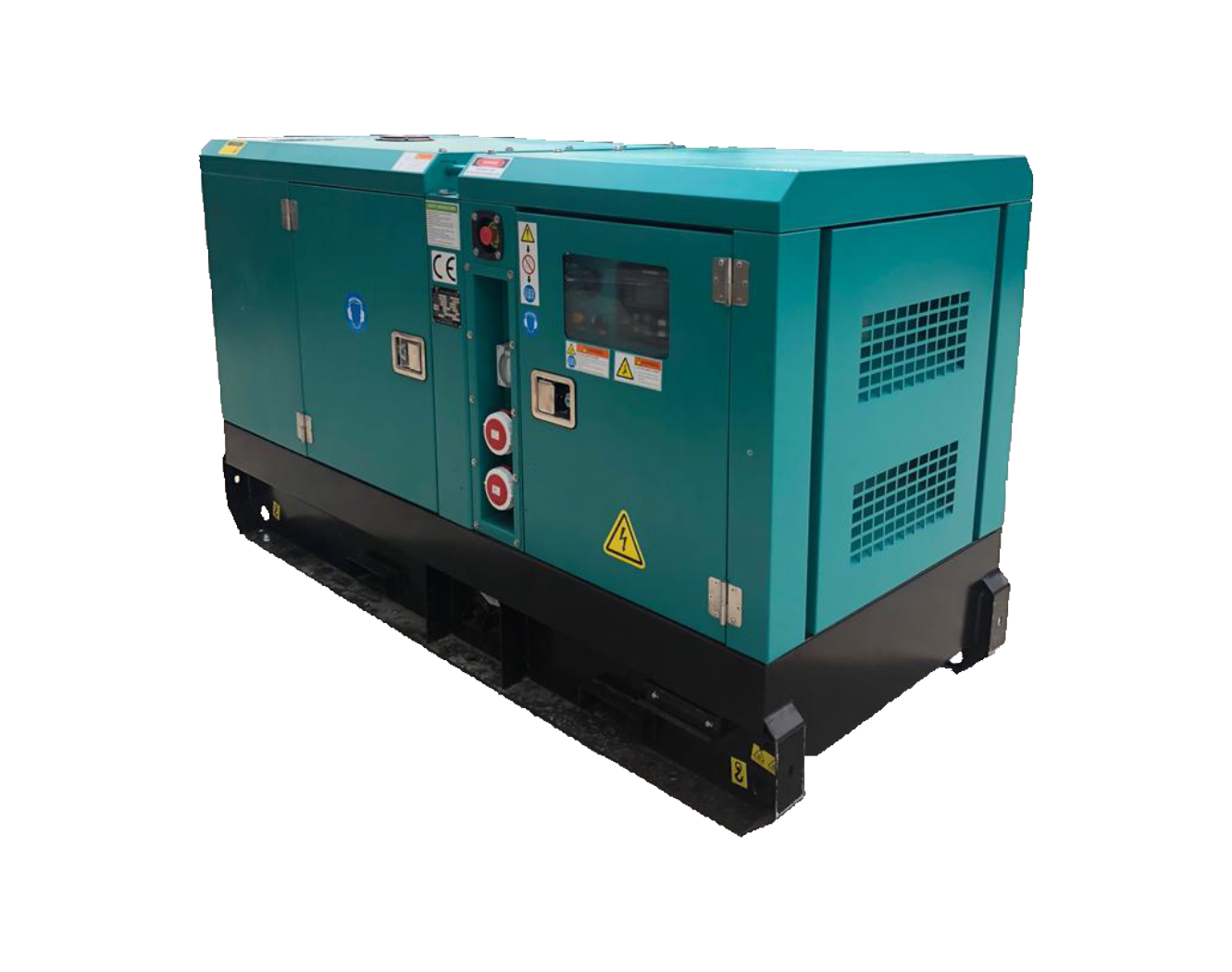
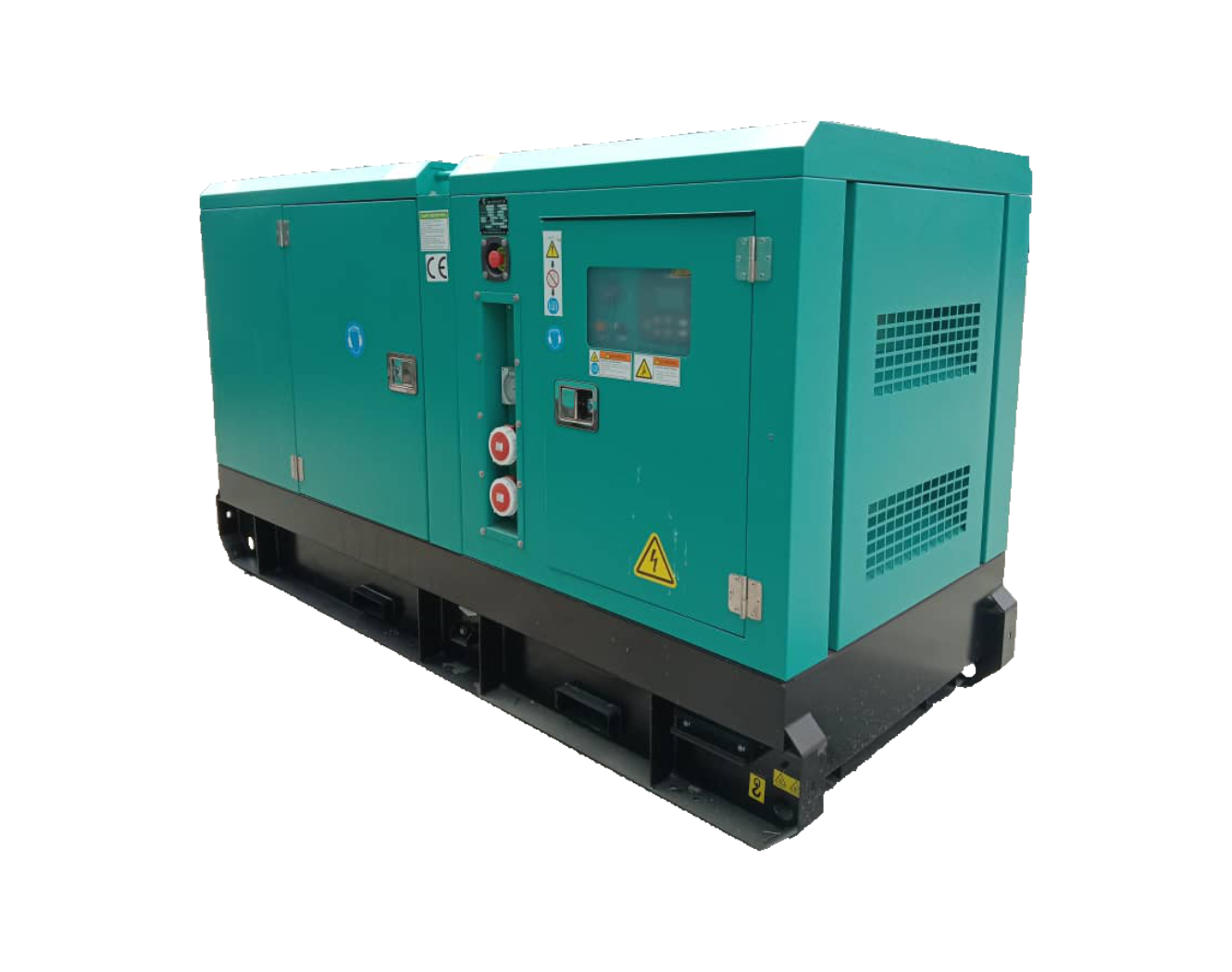
Site units need a lockable silent canopy (urban by-laws and night works), an oversized or bunded fuel tank for 10–12 hours autonomy so no one refuels at midnight, anti-vandal features, trailer running gear or skid lifting eyes, and a robust service interval — 250-hour oil changes on dusty sites are not optional. The construction site generator guide covers noise rules and siting in detail.
Rent or Buy? The Project-Length Test
For projects under roughly 12 months, renting is almost always cheaper than buying: you avoid depreciation, servicing, fuel theft risk and redeployment headaches, and you can return the unit the week topping-out is done. Longer programmes, or contractors with continuous pipelines of sites, usually find owning a 60–150 kVA silent unit pays for itself. See current generator rental options and rates.
Factory vs Construction Site Gensets: Side-by-Side
| Factor | Factory (Kilang) | Construction Site |
|---|---|---|
| Role | Standby backup for TNB | Prime power, runs all day |
| Typical size | 100–500 kVA | 30–150 kVA |
| Run hours/year | 50–150 (standby) | 2,000–4,000 (prime) |
| Control | AMF/ATS, AVR, maybe sync | Manual/float, simple panel |
| Installation | Genset room, bunded tank, exhaust | Trailer/skid, lockable canopy |
| Priority | Instant start, reliability | Fuel economy, durability, mobility |
| Ownership | Buy + service contract | Rent for short jobs, buy for long |
Get the Right Genset for Your Job — First Time
The most expensive mistake we see is a contractor buying a prime-rated open unit for a factory, or a factory buying a portable rental-grade set for standby duty. The second most expensive is oversizing: a 300 kVA set running a factory’s 90 kVA standby load will wet-stack, waste fuel and burn through engine hours.
Send MGM Generators your load list (or a photo of your MDB nameplate) and whether this is for a kilang or a tapak pembinaan — we will size it, quote buy and rental options, and handle delivery, installation, commissioning and servicing anywhere in Malaysia.

Call us now: +6012 9689816
Visit our contact page to submit an enquiry form.
WhatsApp: Chat with us on WhatsApp
Contact page: Send an enquiry form