



Every Second of Downtime Costs Thousands
Malaysian data centres face growing power reliability challenges.

Grid Instability
TNB outages happen without warning. UPS systems bridge the gap for minutes — but without backup generation, your data centre goes dark.

High-Density Loads
AI clusters and cloud infrastructure push power demands beyond what aging grid infrastructure was designed to handle.

SLA Penalties
Every minute of downtime can cost tens of thousands. SLA breach penalties, lost revenue, and hardware damage compound fast.
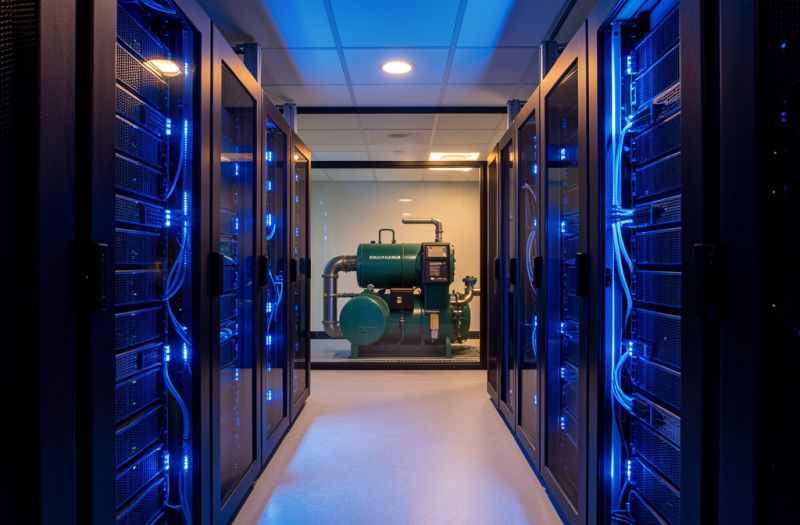
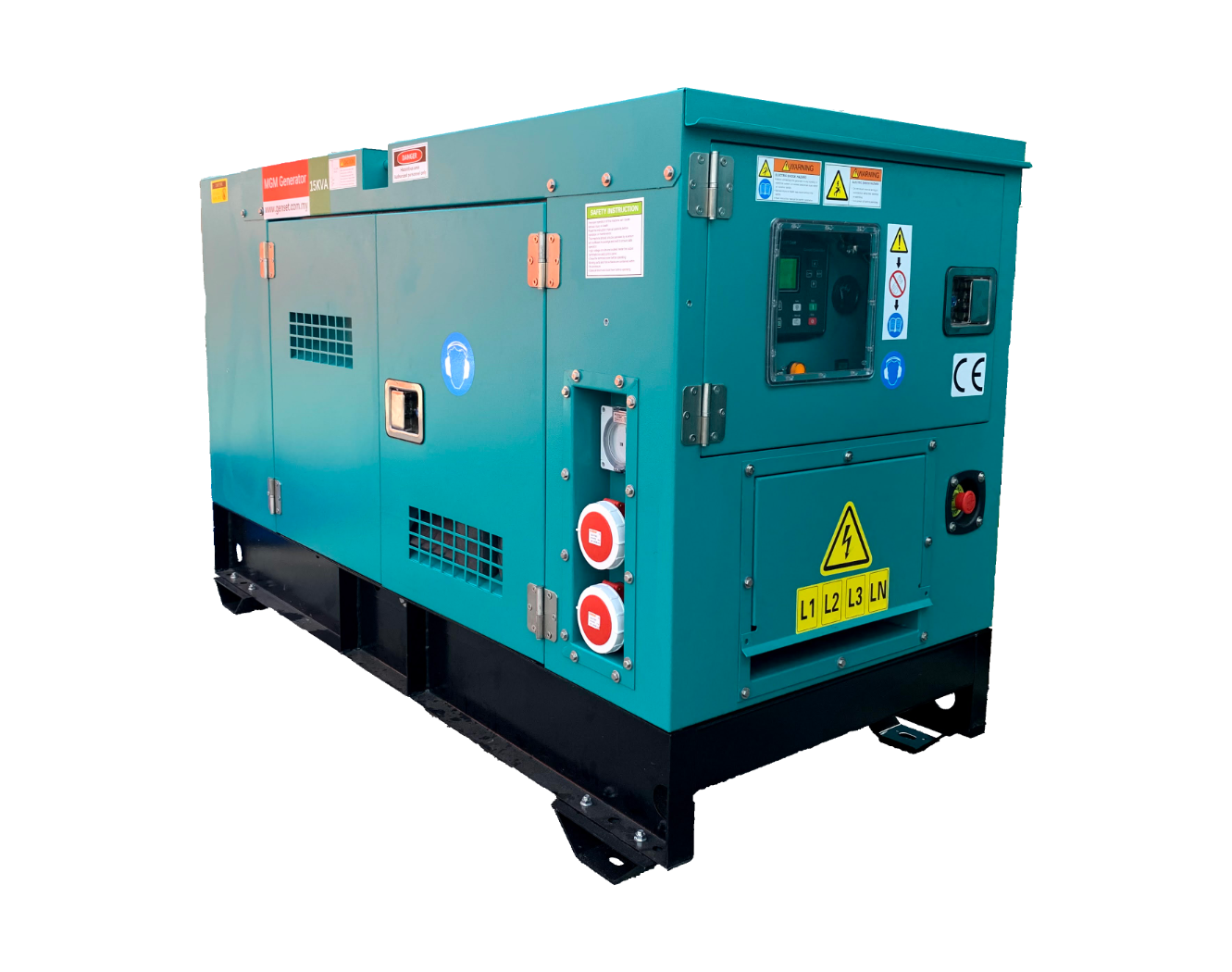
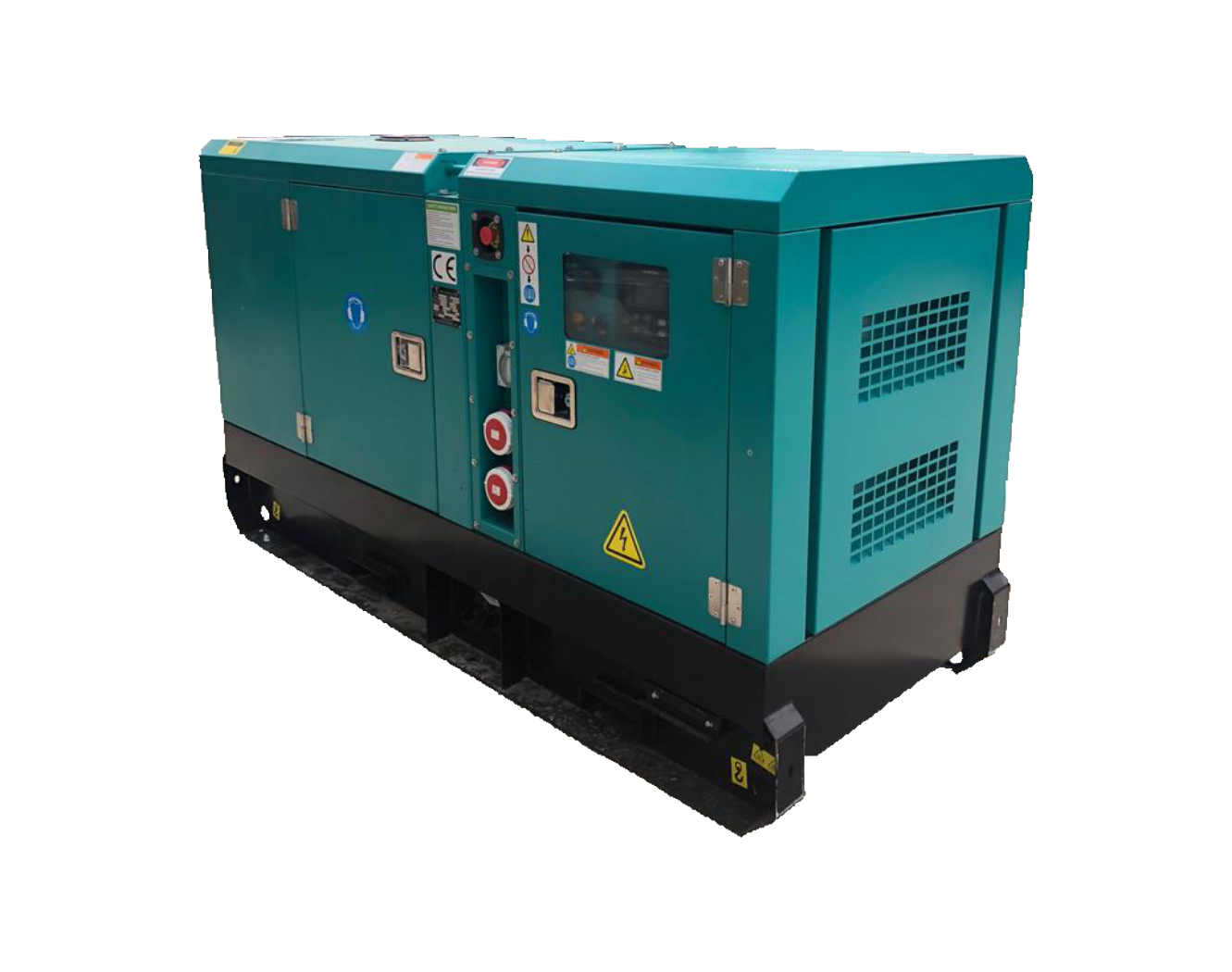
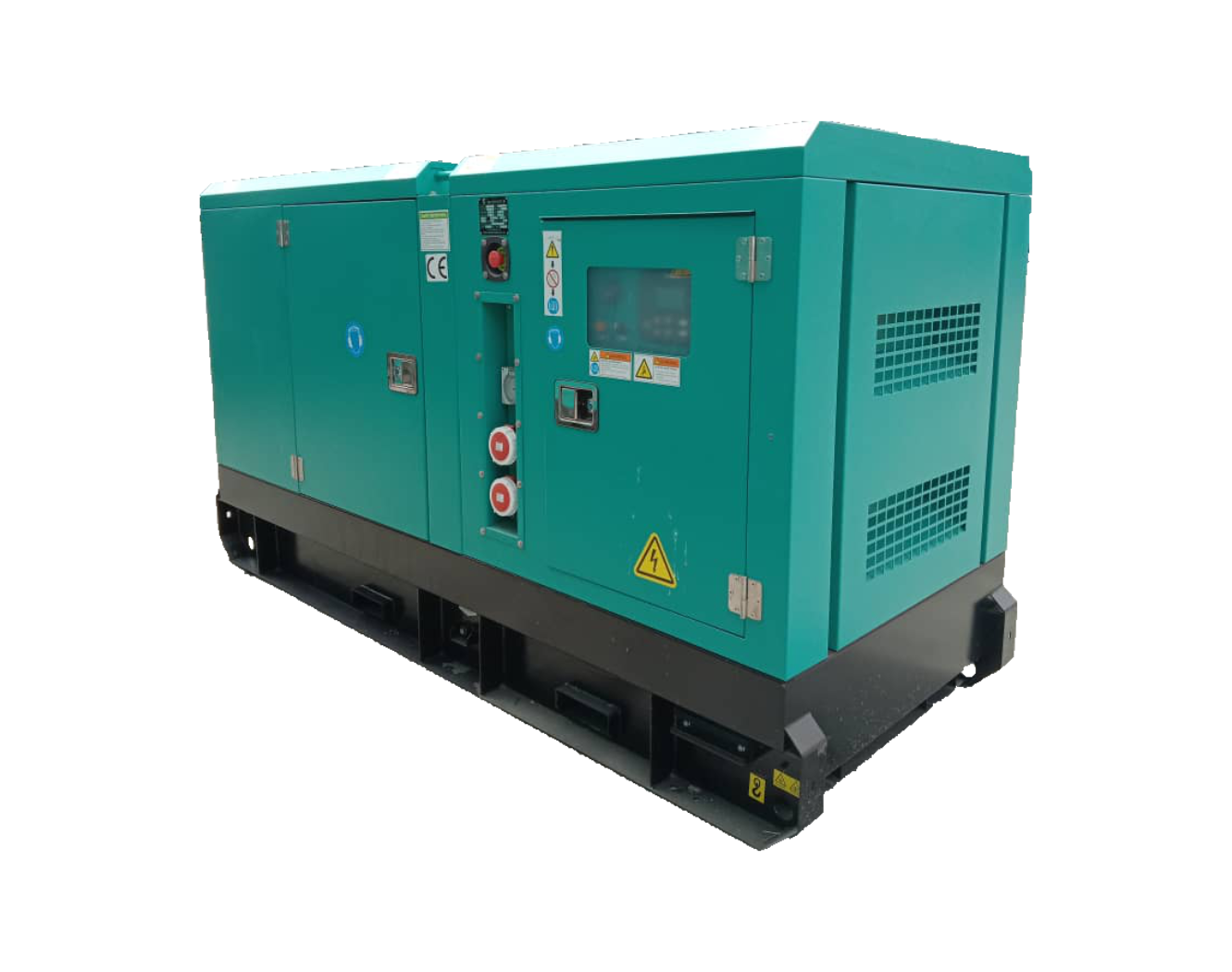
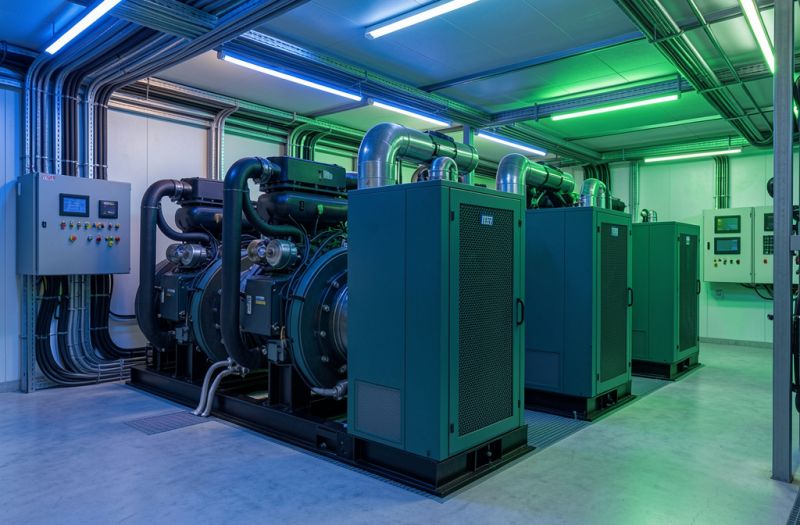
Complete Generator Systems
Engineered for mission-critical data centre standby applications.
Built for Mission-Critical Reliability
Fuel Polishing System
Automated water separation and particulate filtration keeps diesel degradation-free during long standby periods. Critical for facilities where generators sit idle for months.
Sound-Attenuated Canopy
75dB at 7 metres. Essential for urban data centre locations in Cyberjaya and KL where noise regulations apply.
Sub-Base Fuel Tanks
8 to 24 hour continuous run capability. Extended base tanks keep your facility powered through prolonged grid outages.
Weekly Exercise Timer
Auto-starts weekly to verify system readiness. Logs performance data for compliance audits and maintenance scheduling.
Synchronising Capability
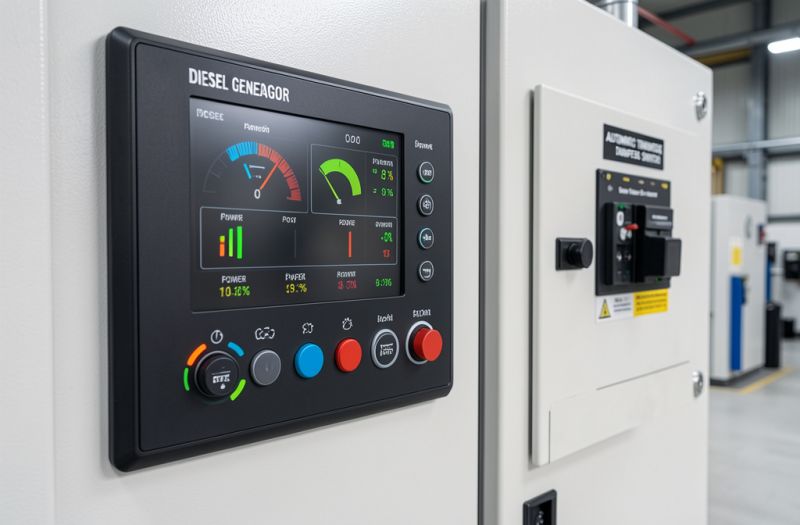
Multiple gensets run in parallel for N+1 and 2N configurations. Seamless load sharing with Deep Sea control systems.
Remote Monitoring
Real-time GSM and IoT monitoring. Fuel level, coolant temperature, fault alerts and run hours pushed to your NOC.
One Supplier, Start to Finish
From first site visit to annual maintenance — we handle everything.
Site Survey
Free assessment and load calculation at your facility
Sizing & Spec
Engineer recommends capacity and configuration
Supply
Genuine engines, factory-tested and quality-checked
Installation
Professional mechanical and electrical fit-out
Commissioning
ATS setup, synchronising, full load testing
After-Sales
24/7 emergency support and annual health checks
Frequently Asked Questions It depends on your total IT load, cooling systems, and redundancy requirements. A 1MW facility typically needs 2x 500kVA generators in N+1 configuration. We provide free site assessments to determine exact sizing. Stock units deliver in 1-2 weeks. Custom configurations take 4-8 weeks. Commissioning takes 3-5 days on-site. Emergency expedited delivery is available. Yes. Annual maintenance agreements include fuel polishing, load bank testing, filter changes, and priority emergency response with guaranteed SLAs. All our data centre generators are synchronisation-ready with Deep Sea or ComAp control systems. We commission parallel configurations up to 2N redundancy. 12 months comprehensive warranty on the complete unit. Extended coverage up to 5 years available. Engine manufacturer warranty applies separately. Yes. We’ve deployed generators to data centres in Cyberjaya, KL, Johor, Penang, and across Malaysia. Full installation and commissioning included nationwide.What kVA size do I need for my data centre?
How long does delivery and installation take?
Do you provide ongoing maintenance?
Can you synchronise multiple generators?
What warranties are included?
Do you serve all of Malaysia?