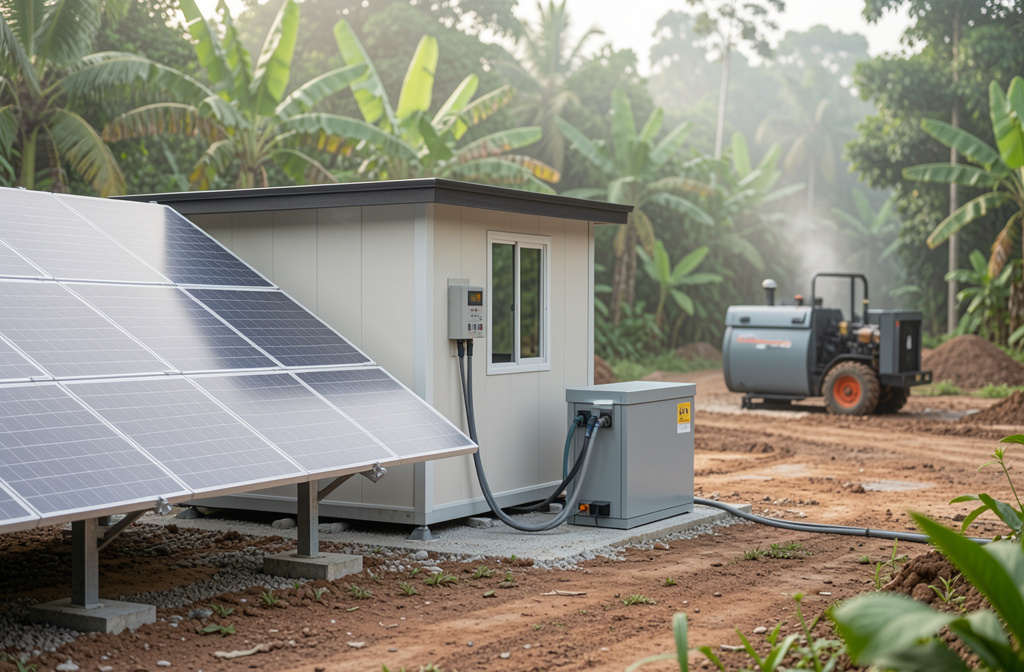


A hybrid generator for construction sites is changing the economics of temporary power across Malaysia. By pairing a diesel genset with solar panels and battery storage, contractors cut daily fuel burn, reduce engine run hours, and still keep tower cranes, welding machines, rebar tools and site offices running on projects with no TNB supply. Where diesel deliveries and fuel price swings squeeze project margins, a hybrid generator for construction sites has moved from an experiment to a serious line item in the site cost plan.
What a Hybrid Generator Setup Includes
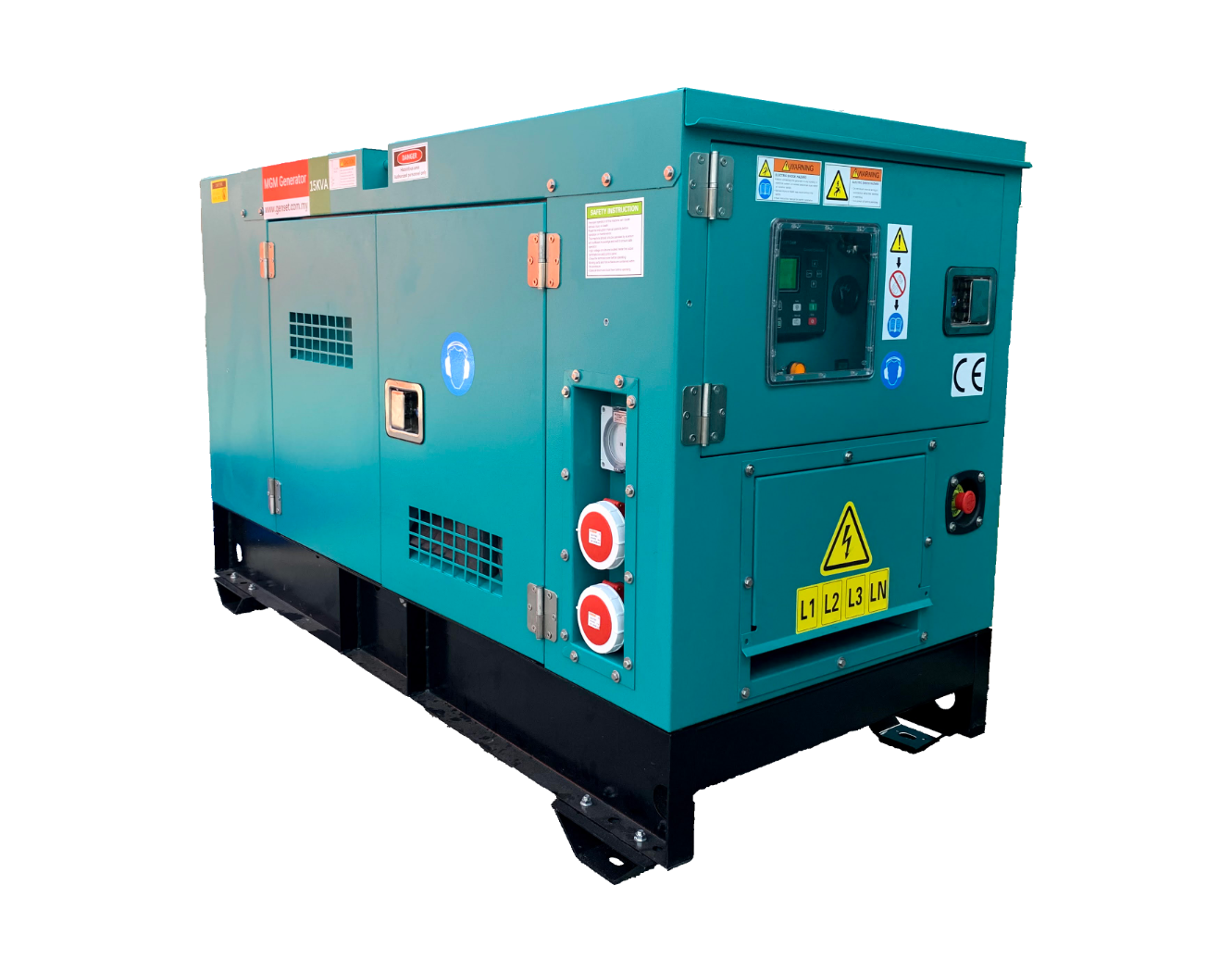
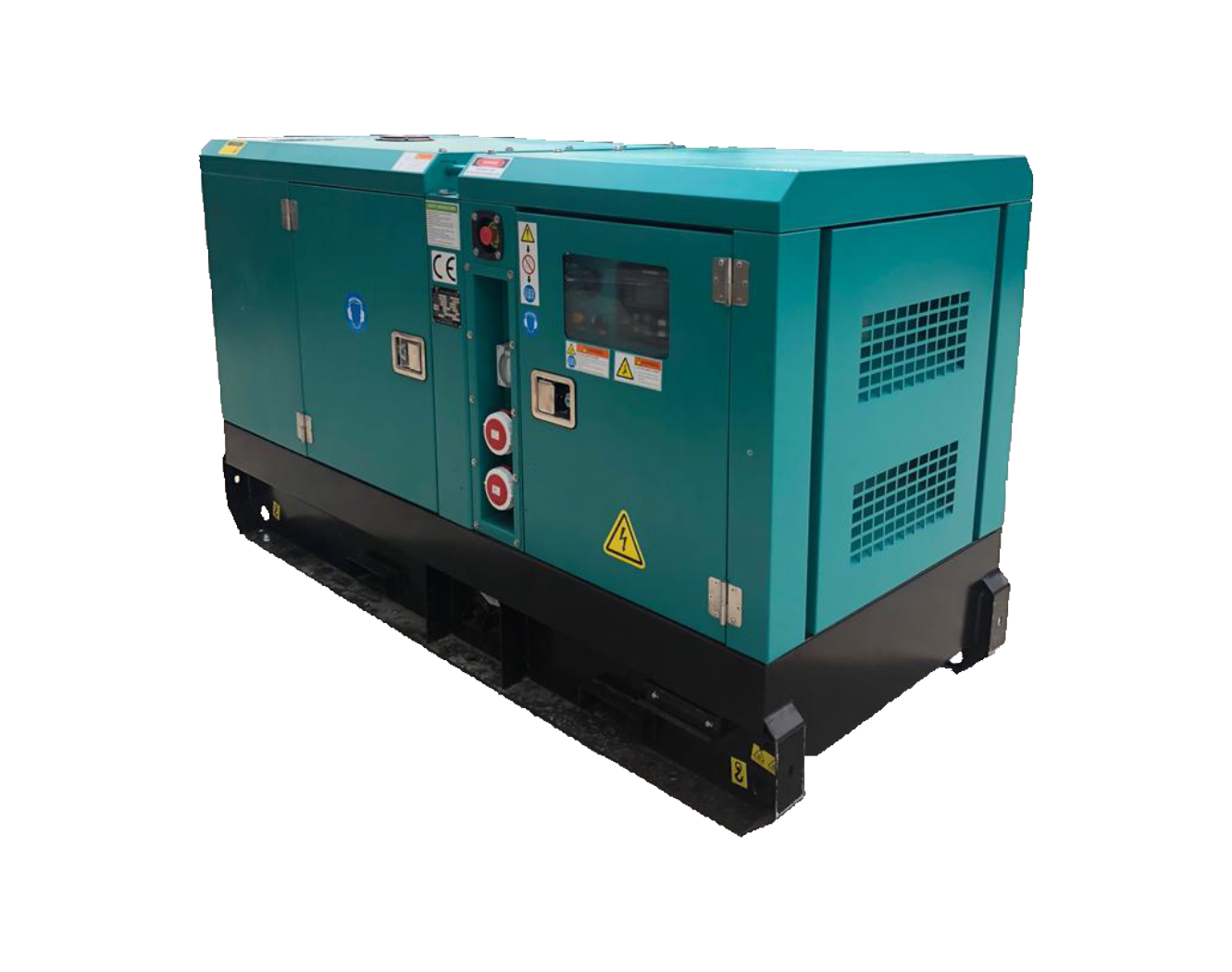
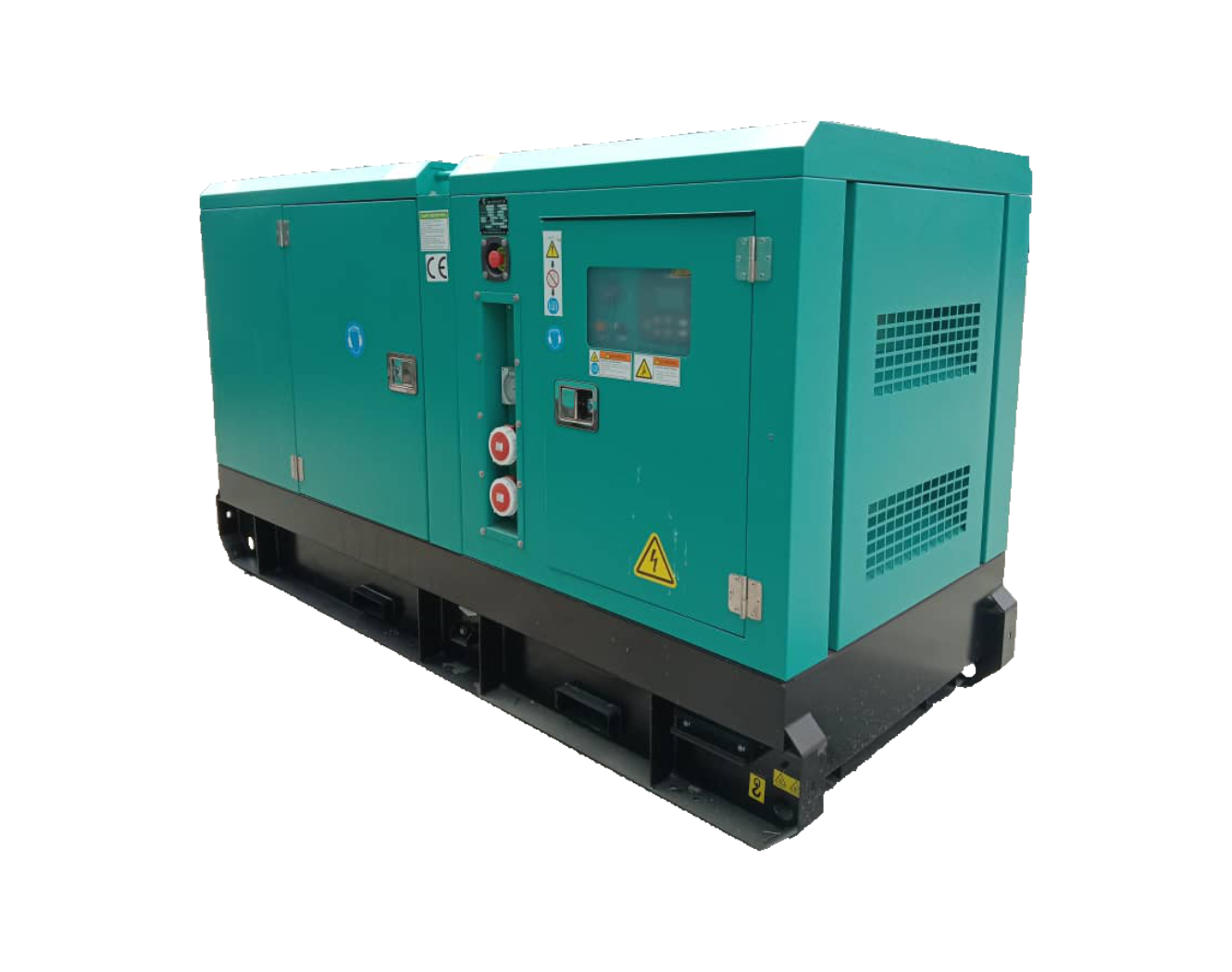
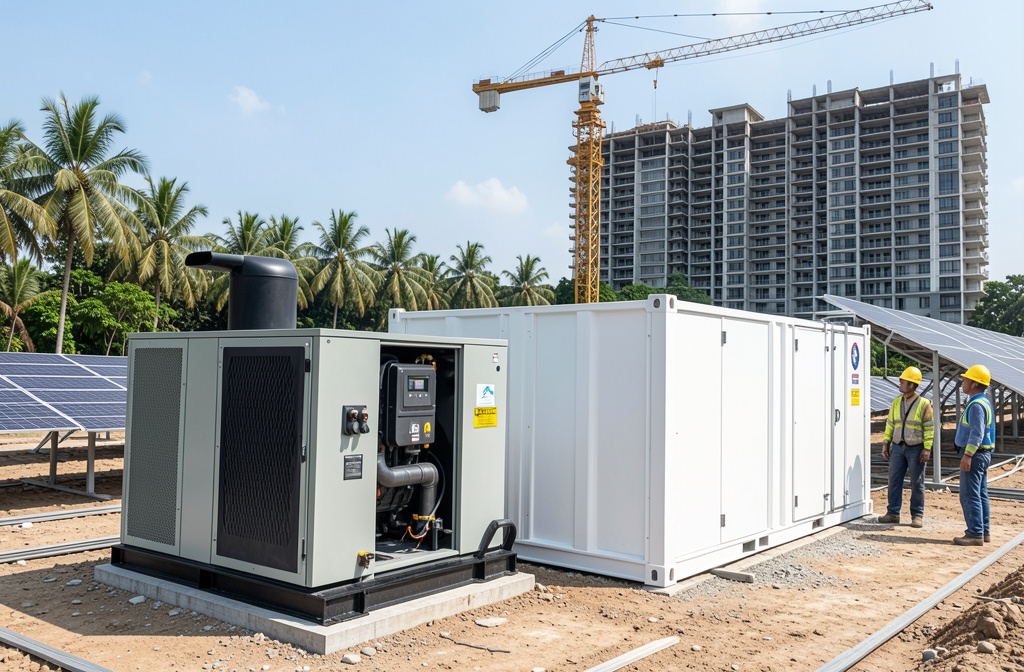
A hybrid genset system places three power sources under one intelligent control system. The diesel generator remains the workhorse and the backup. Solar panels and a battery energy storage system (BESS) handle the predictable part of the load, while the genset covers heavy duty cycles, cloudy spells and night work.
Solar array for daytime baseload
Containerised or deployable solar arrays feed the site directly during daylight. On a typical Malaysian jobsite, offices, lighting and small tools can run largely on solar through the middle of the day, when irradiance is among the best in the region.
Battery storage for peaks and quiet periods
The battery smooths demand spikes, absorbs regenerative loads from cranes and hoists, and lets the genset sit at its efficient load band instead of idling through low-demand periods. Battery-first operation also means a quieter site, a genuine advantage on tight urban projects in Kuala Lumpur and Selangor where neighbours and JKK complaints can stall works.
Genset plus hybrid controller
The hybrid controller runs the logic: battery first, solar alongside, diesel as needed. Our solar power and hybrid genset solutions are built around exactly this control philosophy, with remote monitoring available on request so project managers can follow fuel levels and run hours from their phone.
Why Pure Diesel Site Power Keeps Getting Dearer
Three cost lines are working against the pure-diesel site. The first is diesel price and the logistics of storing and delivering fuel on site. The second is engine wear from extended idling, which multiplies service intervals and litres burned per productive hour. The third is noise and emission complaints that slow down works in mixed townships and near hospitals and schools.
The traditional construction site generator setup in Malaysia usually runs one oversized diesel set sitting at 30 to 40 percent load, the least efficient zone for any diesel engine. Light loading wastes fuel and causes wet stacking, which in turn forces more maintenance. A hybrid generator for construction sites attacks the root problem by keeping the engine in its optimal window instead of accepting the loss.
What Fuel Savings Look Like On Site
Savings depend on load profile, sun hours and battery sizing, but the pattern is consistent across Malaysian deployments. Sites with a clear day-night cycling pattern, heavy equipment by day and light standby at night, commonly report meaningful reductions in diesel consumption, typically in the 20 to 40 percent range quoted for hybrid site power systems worldwide. Idling hours drop even more sharply, because the battery can carry night watch duty, the security lighting and the site office alone.
- Fuel per productive hour: lower, because the genset stops or runs near its optimal point during predictable loads.
- Service intervals: longer, because engine hours fall and low-load carbon buildup is reduced.
- Noise and emissions: reduced during battery-first operation, helping on sensitive urban sites.
- Fuel delivery frequency: fewer diesel trips, cutting haulage cost and spill risk at the tank farm.
Across a twelve to twenty-four month project these savings offset a significant part of the hybrid equipment premium, and longer programmes improve the payback further. For contractors hiring equipment, the maths is simpler still: less diesel bought each week is cash saved from day one.
Sizing a Hybrid Generator for a Malaysian Site
Sizing a hybrid generator for construction sites follows a disciplined three-step process, and it starts with data rather than catalogue pages.
Step one: profile the load
Log the running and starting currents of cranes, batching plants, welders and the site office, then plot the expected demand curve across a normal working day. Most sites reveal a light-load tail worth several kilowatts running around the clock.
Step two: size the battery first
The largest fuel savings usually come from covering the quiet periods, not the peaks. A modest battery that carries overnight standby and the office delivers more value than an oversized solar array that nobody can use at midnight.
Step three: downsize the genset
With the battery covering transients and solar taking the daytime base, the diesel unit can often drop one or two sizes from a conventional specification. That trims capital cost and raises its load factor at the same time, which is how a hybrid system pays for itself twice.
MGM Generators engineers this exercise with the project team before quoting any hybrid generator for construction sites, so that decisions rest on measured numbers instead of assumptions.
Where Hybrid Site Power Works Best
Hybrid site power performs best on longer-duration projects with predictable daily rhythms. Infill developments in the Klang Valley, Penang and Johor Bahru gain most from battery-first operation because noise expectations are stricter. Linear infrastructure works in Perak, Pahang and Sarawak gain from fuel savings where diesel deliveries are expensive. Steady loads such as dewatering pumps, worker accommodation power and permanent site offices are strong hybrid candidates, while short bursty programmes may still suit plain diesel better.
MGM also supplies conventional silent and open gensets from 15 kVA to beyond 500 kVA, and our engineers will recommend a conventional generator rental or purchase setup when a hybrid package does not suit the programme. The honest fit-for-purpose answer matters more than the bigger invoice.
Hybrid Versus Conventional: The Cost Balance
Hybrid packages carry a higher upfront cost than a bare diesel set. The trade is a lower monthly cost of ownership across the project. For short-term hires the conventional unit remains the obvious choice. For programmes beyond twelve months, especially those with day-night load separation, the hybrid generator for construction sites deserves a full life-cycle comparison rather than a knee-j rejection. Our published price guide frames the broader purchase bands in Malaysia from RM15,000 at 15 kVA up to RM350,000 and above at 500 kVA and beyond, and current rates for any specific hybrid configuration are quoted on request.
Get a Hybrid Site Power Assessment
MGM Generators supplies, installs and commissions hybrid and conventional site power packages across Malaysia, backed by scheduled maintenance, genuine parts and fuel management advice.
Call us now: +6012 9689816
WhatsApp our team directly at https://api.whatsapp.com/send?phone=60129689816
Submit your site load profile through our contact page and we will prepare a hybrid versus diesel cost comparison for your next project.