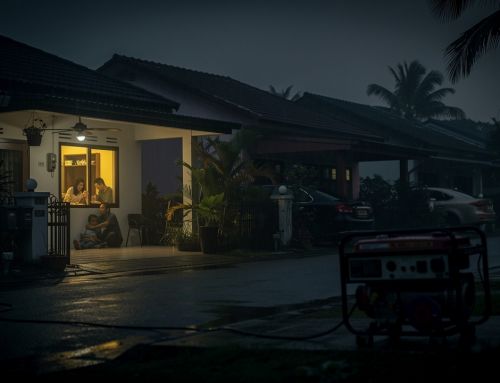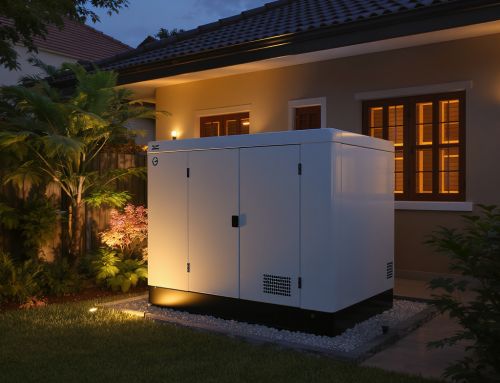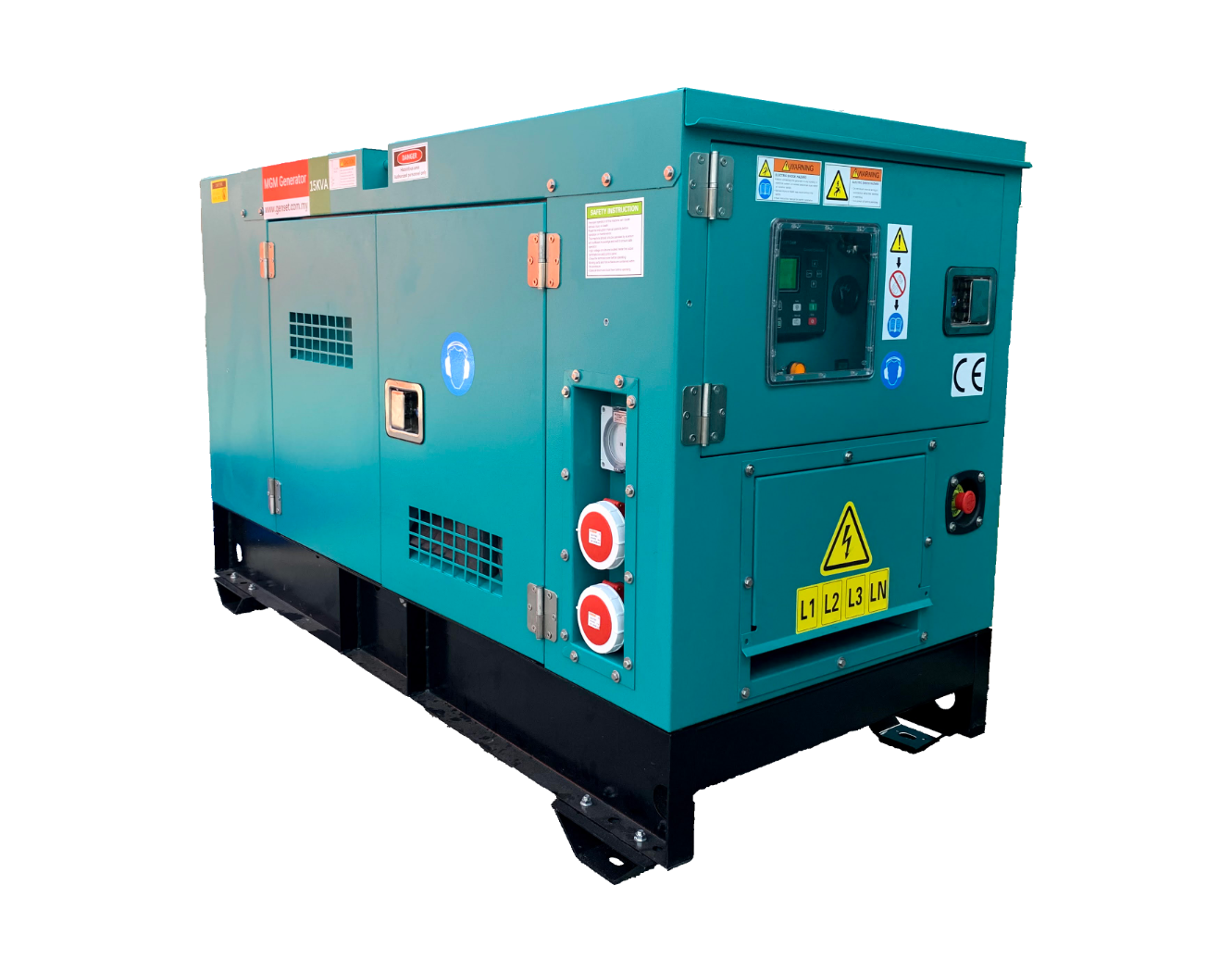

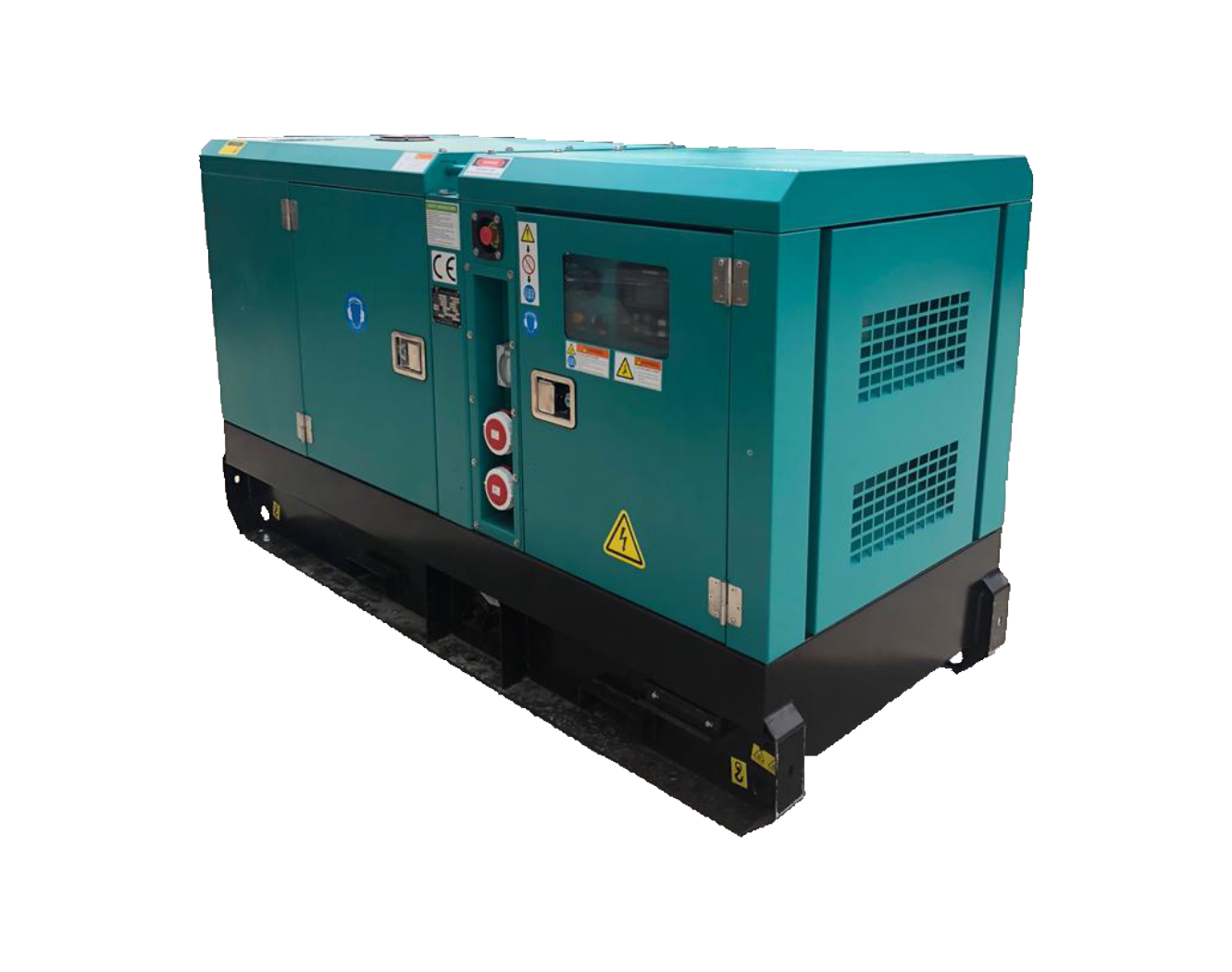
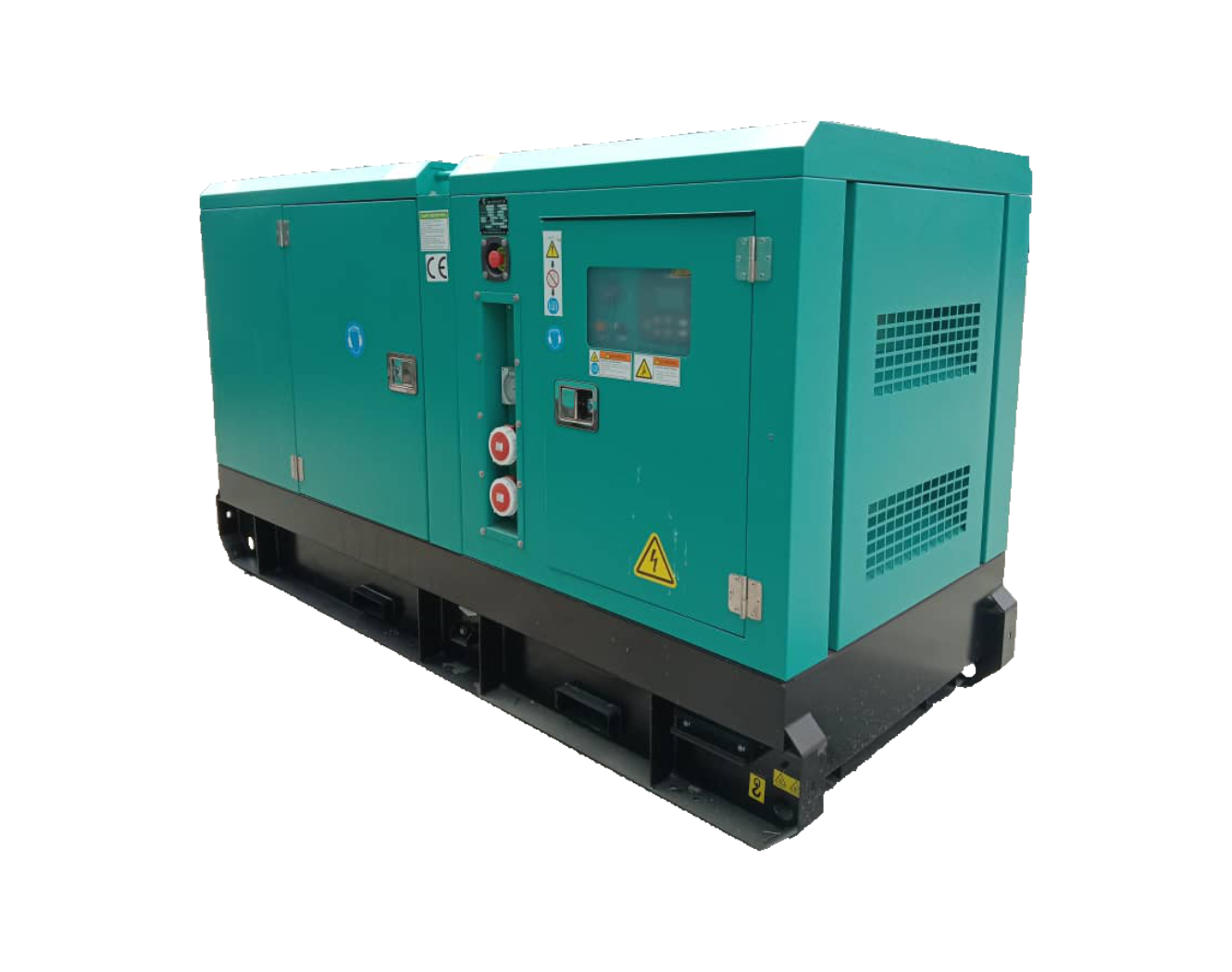


Fuel saving gensets are the quiet conversation happening in every plant room and site office in Malaysia, because diesel is now one of the three largest running costs of owning a generator. A genset that burns 30 percent more fuel than it should costs a mid-size factory thousands of ringgit every year, and most of that waste comes from avoidable choices made at the specification stage. This guide walks through how fuel consumption actually behaves on real machines, which savings are real, and how MGM Generators helps owners right-size and tune their sets.
Where Fuel Is Wasted on Most Gensets
Diesel engines have a sweet spot. Brake-specific fuel consumption improves as load rises toward 75 to 85 percent of rated output, then flattens and worsens again near full load. The common Malaysian mistake is buying a set that is far too large for the actual connected load, then running it permanently at 30 to 40 percent, the most inefficient zone for any compression-ignition engine.
- Oversizing: the single biggest source of wasted ringgit. A 250 kVA set feeding a genuine 80 kVA load will burn substantially more per delivered kilowatt-hour than a correctly chosen 100 kVA unit.
- Extended idling and long light-load nights: burning fuel for standby power that batteries or grid tariff management could handle more cheaply.
- Deferred maintenance: clogged air filters, worn injectors and poorly timed injection pumps quietly add consumption month after month.
- Heat and voltage losses: undersized cables, poor ventilation and hot engine rooms raise fuel burn and reduce output at the same time.
Right-Sizing: The First Fuel Saving Measure
Before buying anything, audit the real load. Record true demand over a representative week, include motor starting currents for lifts, pumps and compressors, and then choose the set so normal running load sits near 70 to 80 percent of its rating. This is the cheapest efficiency measure in existence because it costs nothing but a load survey.
Owners comparing models should always read the manufacturer fuel consumption curve at the load point they will actually use, not the headline tank size. Our fuel consumption chart publishes typical consumption across the MGM range at 25, 50, 75 and 100 percent load so buyers can compare like for like before requesting current rates.
The 10 percent rule of thumb
Across a generator portfolio, moving from chronic light-load operation into the 70 to 80 percent band typically recovers a noticeable slice of annual diesel spend, and it simultaneously reduces wet stacking, extends oil service life and improves battery and alternator health. It is the core idea behind fuel saving gensets: efficiency is mostly about selection and loading, not exotic hardware.
Hardware and Control Measures That Help
Once sizing is correct, several proven measures add savings on top.
- Electronic governance and common-rail injection: modern engine management holds speed tighter and injects more precisely than older mechanical pumps, trimming consumption under varying load.
- Automatic sleep and start (AMF with eco modes): the set sleeps when the grid is healthy instead of idling for hours waiting for a supply that never fails.
- Remote monitoring: fuel-level telemetry detects theft and leaks early; run-hour data exposes idling habits nobody admits to.
- Paralleling and load-sharing: on sites with wide load swings, two smaller synchronised sets can shut one machine down during light periods and keep the other loaded efficiently.
- Hybrid and battery assist: for 24-hour standby duties, battery buffering and solar assist cut engine hours further, as covered in our hybrid genset solutions.
Fuel Management Habits With Malaysian Price Reality
Even a perfectly sized machine leaks money without basic fuel discipline. Keep tanks full at the end of each working day to limit overnight condensation, log deliveries against metered consumption, and reconcile monthly. Fuel theft and unrecorded top-ups are a genuine operating cost in logistics-heavy sectors, and a simple two-person delivery sign-off policy pays for itself.
Budgeting also matters. Purchase pricing in Malaysia spans a wide band, from around RM15,000 for a small 15 kVA set up to RM350,000 and beyond at 500 kVA and above, and the machine that looks cheaper on the quotation can cost far more per year at the pump. Our harga genset Malaysia 2026 price guide frames these purchase bands by kVA, and pairing it with consumption figures gives a true cost-of-energy comparison rather than a sticker-price comparison.
Servicing: The Unsexy Side of Fuel Economy
A fuel saving genset is mostly a well-serviced genset. A practical annual schedule keeps consumption near factory figures:
- Engine oil, filters and fuel filters at the duty-based interval, tightened in dusty sites and humid coastal environments.
- Injector pump calibration and nozzle spray tests at the manufacturer milestone, not only when smoke appears.
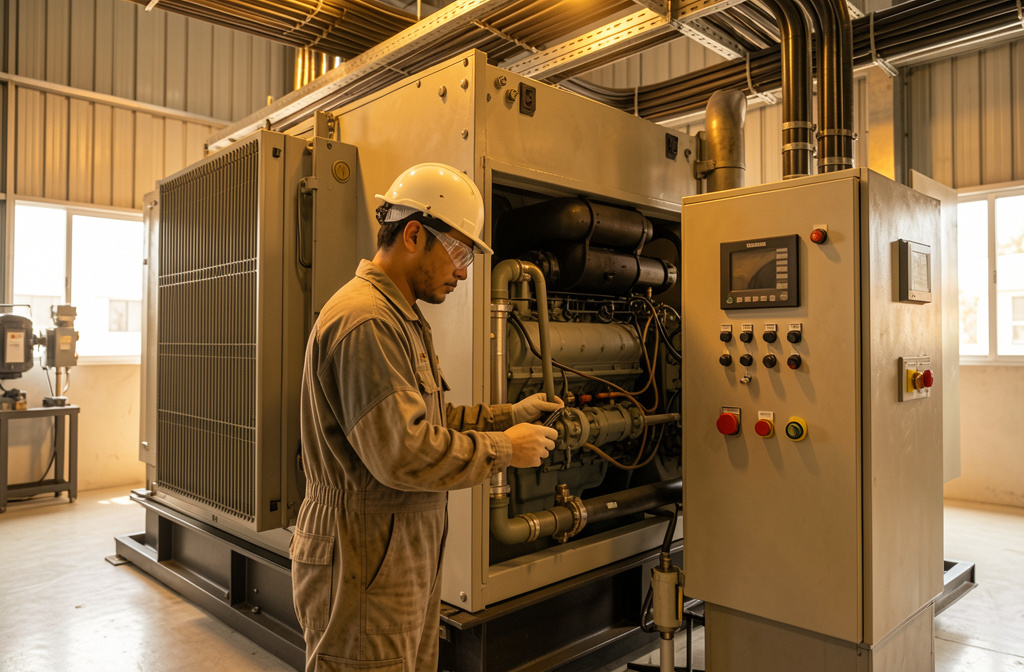
- Cooling system flushing and fin combing, because every degree of extra operating temperature quietly hurts efficiency.
- Load-bank testing on standby sets, which proves performance and burns off carbon accumulated from light-load running.
MGM service contracts cover these items with genuine parts and documented reports, so consumption drift is caught in the workshop instead of at the fuel pump.
Worked Example: A Factory Choosing Between 100 and 200 kVA
Consider a factory in Johor with a genuine 65 kVA running load and motor starting demands. A reflex 200 kVA purchase leaves the set idling through the night shift at roughly a third load, adding hundreds of litres of avoidable diesel each month against a correctly selected 100 kVA unit. The 100 kVA machine is cheaper to buy, cheaper to service and cheaper to run, and it still carries the full connected load with margin for future machines. That single specification decision is the whole argument for taking fuel saving gensets seriously before purchase rather than after.
Talk to MGM About Your Load Profile
MGM Generators engineers, supplies and services standby and prime power sets across Malaysia, with honest sizing advice, published consumption data and maintenance programmes built around real duty cycles.
Call us now: +6012 9689816
WhatsApp our team at https://api.whatsapp.com/send?phone=60129689816
Send your load list or recent diesel bills through our contact page and we will estimate your current and achievable consumption figures.