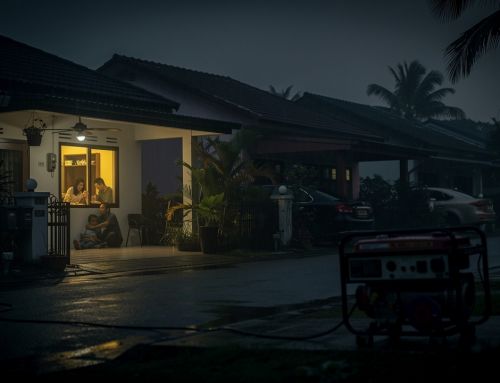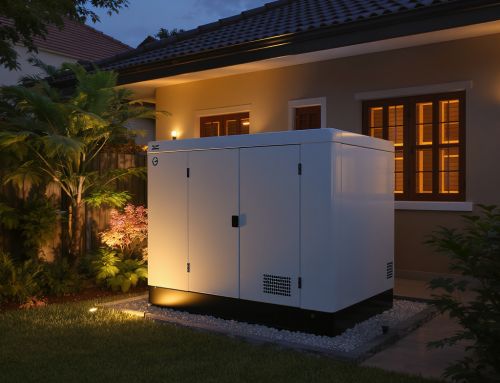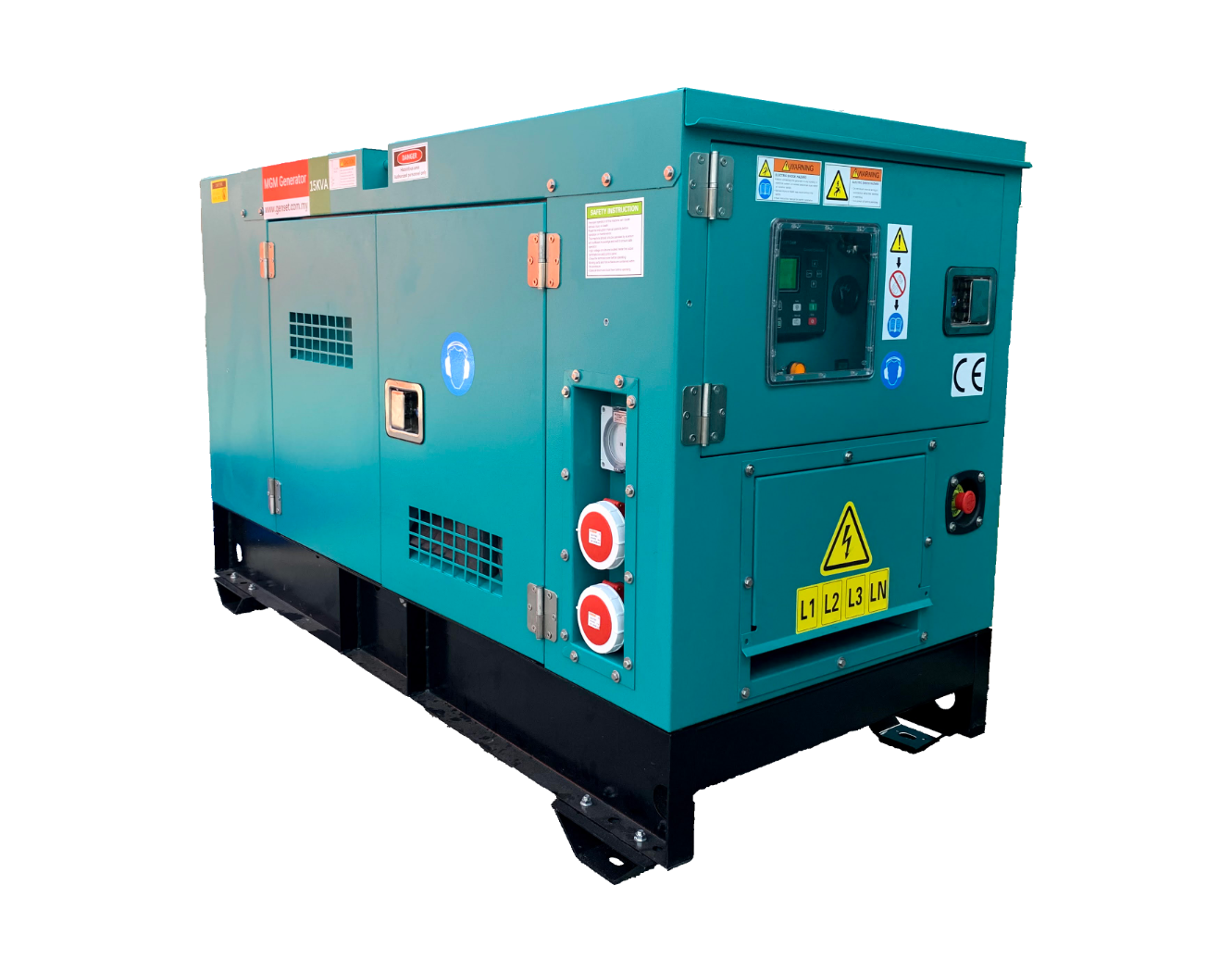

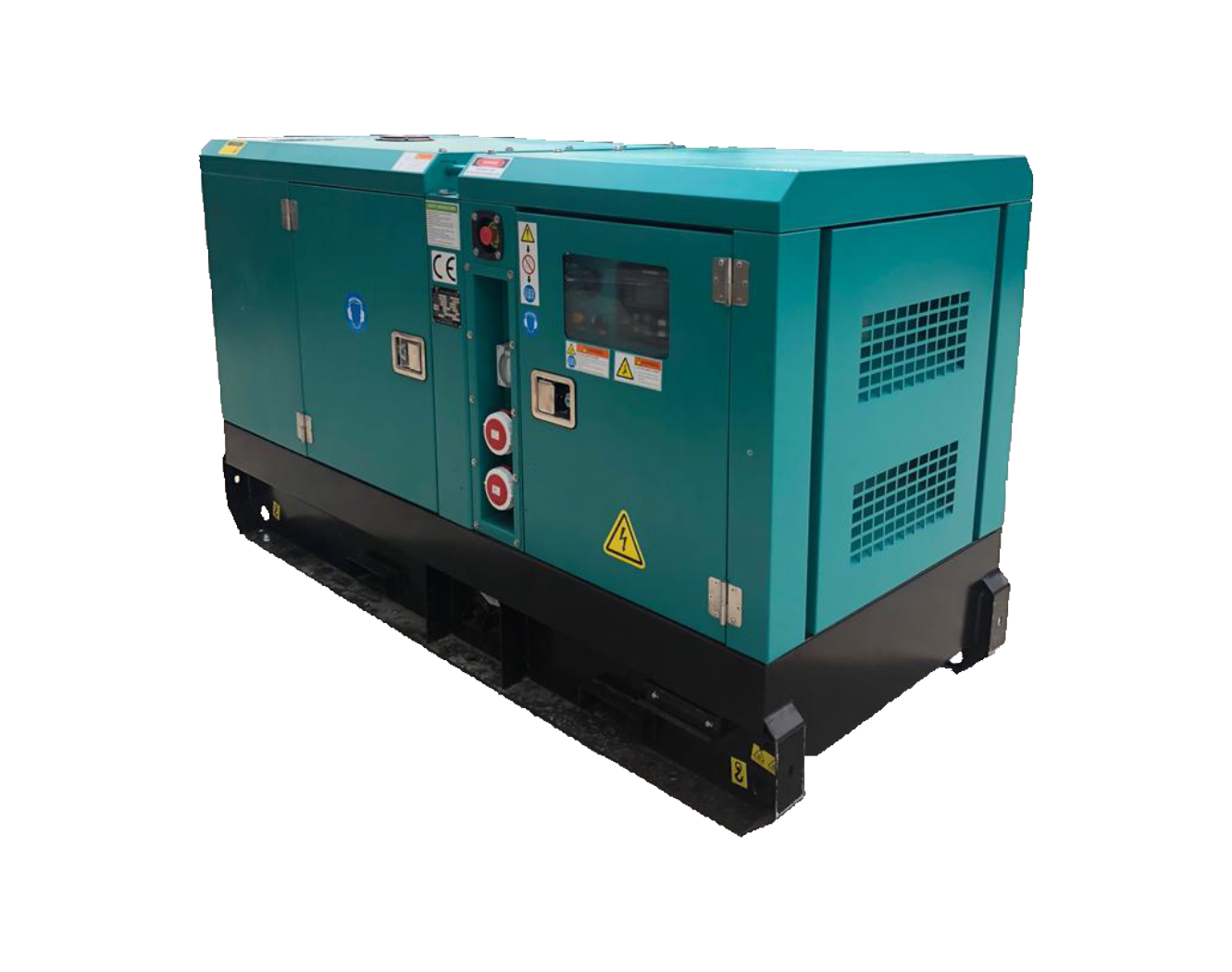
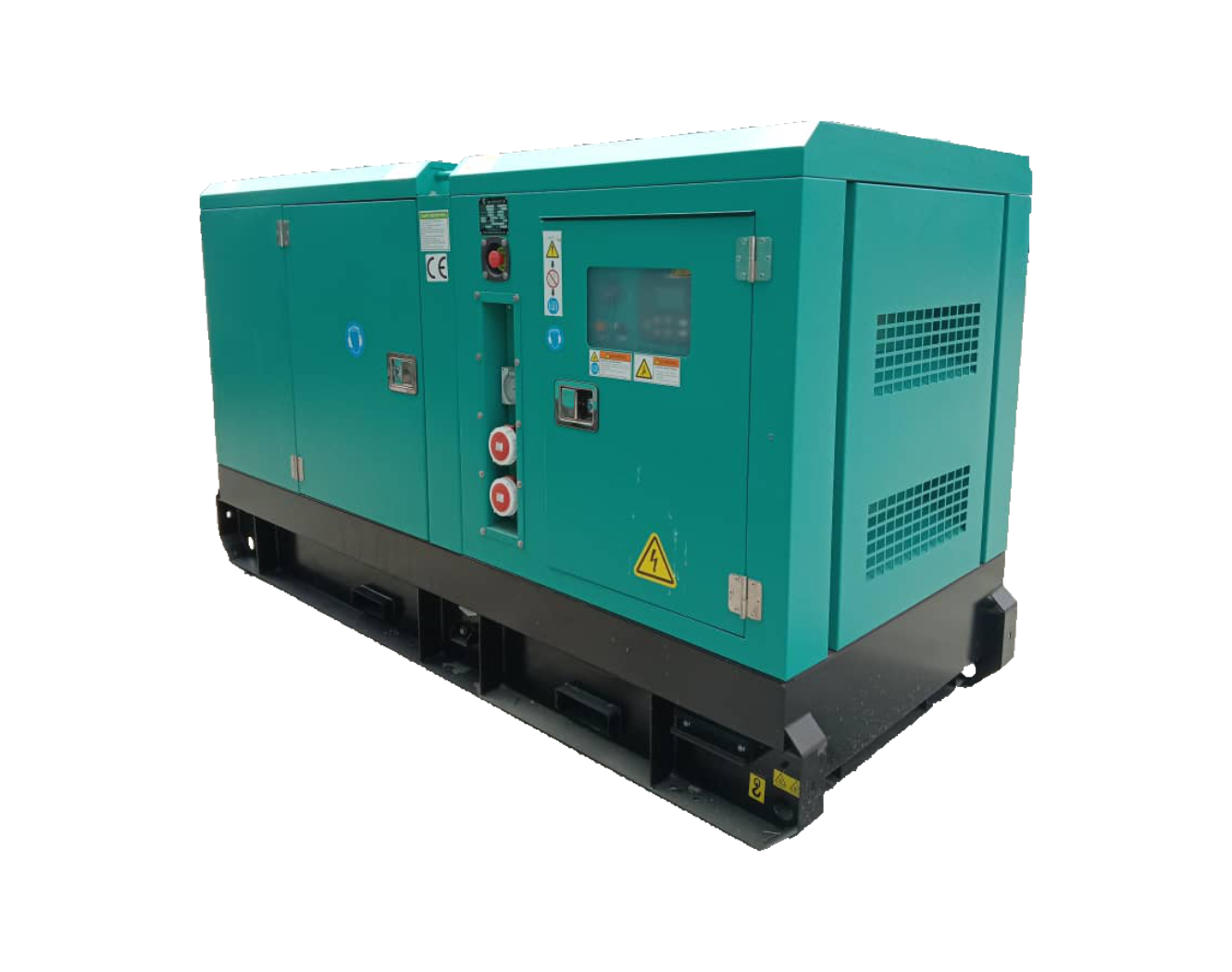
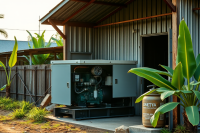


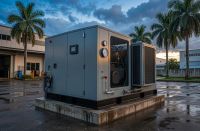

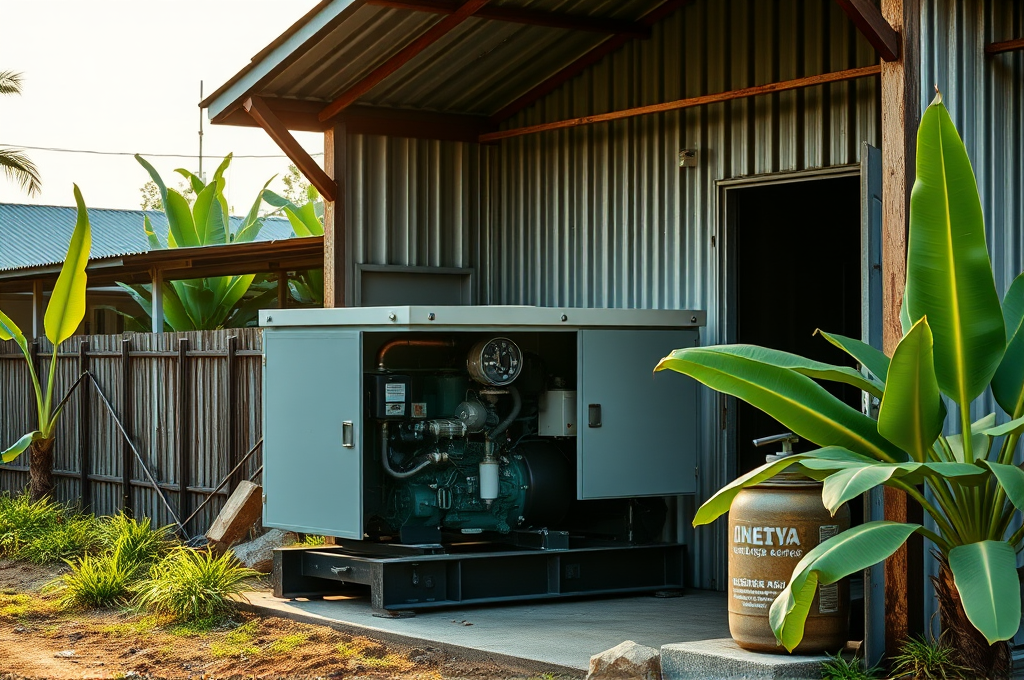
A 25 kVA generator diesel consumption per hour figure is the single most useful number for anyone running a small workshop, a row of shophouse lots, a compact office or a modest construction site in Malaysia. The honest answer is that a 25 kVA diesel genset burns roughly 1.3 to 5.8 litres per hour, depending on how hard it works: about 1.4 litres at 25 percent load, 2.8 litres at 50 percent, 4.1 litres at 75 percent and around 5.6 litres at full load. Those figures are not marketing guesses. They follow from a brake-specific fuel consumption of roughly 0.27 litres per kilowatt-hour and the simple fact that a diesel engine drinks air and fuel in proportion to the work it does. In this guide MGM Generators breaks the burn rate down load by load, converts it into monthly fuel cost at Malaysian diesel prices, explains what pushes real-world consumption above the datasheet, and lists the inexpensive fixes that routinely cut 10 to 20 percent off the litres burned.
Burn Rate By Load: 25 kVA At Every Operating Point
A 25 kVA set at 0.8 power factor delivers 20 kW of usable power, and its engine is designed to breathe and burn in line with that output. The table below shows the range you should expect from a well-maintained, naturally aspirated 25 kVA diesel generator in prime duty:
- 25 percent load (5 kW): around 1.3 – 1.6 litres per hour
- 50 percent load (10 kW): around 2.6 – 2.9 litres per hour
- 75 percent load (15 kW): around 3.9 – 4.3 litres per hour
- 100 percent load (20 kW): around 5.3 – 5.8 litres per hour
Notice that the relationship is close to linear. That is the most important practical takeaway: fuel burn tracks load, not the nameplate. A 25 kVA generator carrying 10 kW of real load consumes about half of what it would consume at full tilt, whether the set is sized at 25 kVA or 50 kVA. You can cross-check these numbers against our full fuel consumption chart, which covers every capacity from 10 kVA upward.
The Simple Math Behind Litres Per Hour
Every figure above comes from one calculation you can repeat yourself. Modern small industrial diesel engines convert stored fuel energy into shaft work at a brake-specific fuel consumption of roughly 210 to 230 grams per kilowatt-hour. Diesel weighs about 0.84 kilograms per litre, so 220 g/kWh works out to approximately 0.26 litres per kilowatt-hour, and real installations with radiator fans, alternator losses and exhaust backpressure settle near 0.27 to 0.29.
Multiply that constant by the kilowatts on the meter and you have your hourly burn. Five kilowatts times 0.28 gives 1.4 litres per hour. Fifteen kilowatts times 0.28 gives 4.2 litres per hour. Twenty kilowatts times 0.28 gives 5.6 litres per hour. When a vendor quotes a dramatically lower number for the same load, ask what was disconnected – the radiator fan, the battery charger or basic honesty.
One nuance on sizing: kVA and kW are not the same. A 25 kVA generator at 0.8 power factor is a 20 kW machine, and consumption is always driven by kilowatts. If your connected load is genuinely 15 kW, your 25 kVA generator diesel consumption per hour will sit near 4.2 litres no matter how the datasheet is presented, because the engine only burns for the kilowatts it actually produces.
Monthly Fuel Cost At Malaysian Diesel Prices
Fuel, not the machine, dominates the true cost of ownership. A 25 kVA set costs far less to buy than ten years of diesel at eight running hours a day. Using a mid-range burn of 3.3 litres per hour at a typical 60 percent load factor, and diesel priced anywhere between RM2.15 and RM3.20 per litre depending on sector and subsidy eligibility, the math looks like this:
- Standby duty, 8 hours a day, 26 days: roughly 690 litres per month, or RM1,500 – RM2,200
- Continuous duty, 24 hours a day, 30 days: roughly 2,380 litres per month, or RM5,100 – RM7,600
- Weekend market or event, 10 hours twice a month: roughly 66 litres, or RM145 – RM210
These ranges are why load management deserves more attention than almost any other generator decision. Shaving 15 percent off your average load shaves 15 percent off every one of those figures, permanently.
What Pushes Real Consumption Above The Datasheet
Site conditions explain most gaps between brochure numbers and pump receipts. The usual culprits:
- Chronic light loading. Running below 30 percent for hundreds of hours glazes the injector tips and coats the piston rings with carbon. Combustion quality falls, and consumption creeps upward by 5 to 10 percent without any obvious symptom.
- Dirty air filters. A clogged filter starves the engine of air, and the control system compensates with more fuel. In Malaysian dust and humidity this is the single most common efficiency leak.
- Worn injectors. Dribbling nozzles spray poorly atomised fuel that burns late and incomplete. Black smoke and a rising litre count usually appear together.
- Long idling. An idling diesel still burns 0.5 to 1.0 litres per hour while producing almost no useful power, and it fouls itself while doing it.
- Heat and altitude. Thin, hot air carries less oxygen per breath. Sites in the highlands or poorly ventilated plant rooms can see a few percent more burn than a sea-level, open-air datasheet test.
- Contaminated fuel. Water and sludge disturb spray patterns and accelerate injector wear. Bulk storage tanks in tropical heat grow microbial slime faster than most owners expect.
Practical Ways To Cut The Litres Burned
The good news is that almost every efficiency gain on a 25 kVA generator is free or cheap. First, consolidate loads so the set runs between 60 and 80 percent rather than 25 percent – this is the sweet spot where combustion is cleanest and the specific fuel consumption curve is flattest. Second, keep the air filter immaculate and replace it on schedule rather than on appearance. Third, run a proper service interval: fresh oil, clean filters and injectors tested annually on a bench. Fourth, kill the idling habit – if the crew takes a long lunch, the key turn saves fuel and engine life at the same time. Fifth, fit a simple fuel flow meter or use the hour-meter and tank readings you already have, and log litres per day. What gets measured gets managed, and a sudden jump in the daily number is the earliest warning of a developing fault.
For fleets and rental use, a fuel polishing service on your storage tank pays for itself within a quarter by protecting injector spray quality.
Sizing: The Quiet Half Of The Fuel Bill
A generator that is too big for its load wastes money twice – once in purchase price, and again in wet stacking and rising consumption from chronic underloading. A 25 kVA generator suits sites with 12 to 16 kW of running load: a small workshop with welding machines, a row of shophouses on essential circuits, a shoplot with a few air conditioners, or a modest site with lighting, a concrete mixer and small tools. If your measured running load is closer to 6 or 8 kW, a 15 or 20 kVA set will burn proportionally less for the same work. If it is above 16 kW, stepping up to a 30 kVA unit protects the engine from sustained full-load stress.
Not sure which side of the line you sit on. A week of clamp-meter logging settles it, and if you would rather test before committing, our 25 kVA generator rental option lets you measure real consumption on your own load before any purchase decision.
Why Choose MGM Generators
MGM Generators supplies, rents and services diesel generator sets from 10 kVA to 2 megawatts across the Klang Valley, Johor and the major states. Every 25 kVA unit we deliver is load-tested, documented and backed by a service team that answers the phone. Whether you need a purchase recommendation built around your measured load profile, a rental set for a defined project, or a maintenance contract that keeps consumption at factory figures, we handle the whole power ecosystem under one account.
Get The Exact Figure For Your Site
Generic tables give you the range; your load profile gives you the truth. Share your equipment list or a week of readings with our engineers and we will calculate the expected 25 kVA generator diesel consumption per hour for your actual duty, along with a sizing and fuel-budget sheet you can take to management.
Call us now: +6012 9689816
WhatsApp: https://api.whatsapp.com/send?phone=60129689816
Or send your load details through our contact page and we will return a fuel estimate within 24 hours.