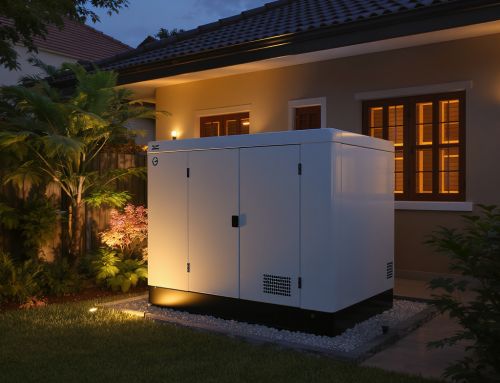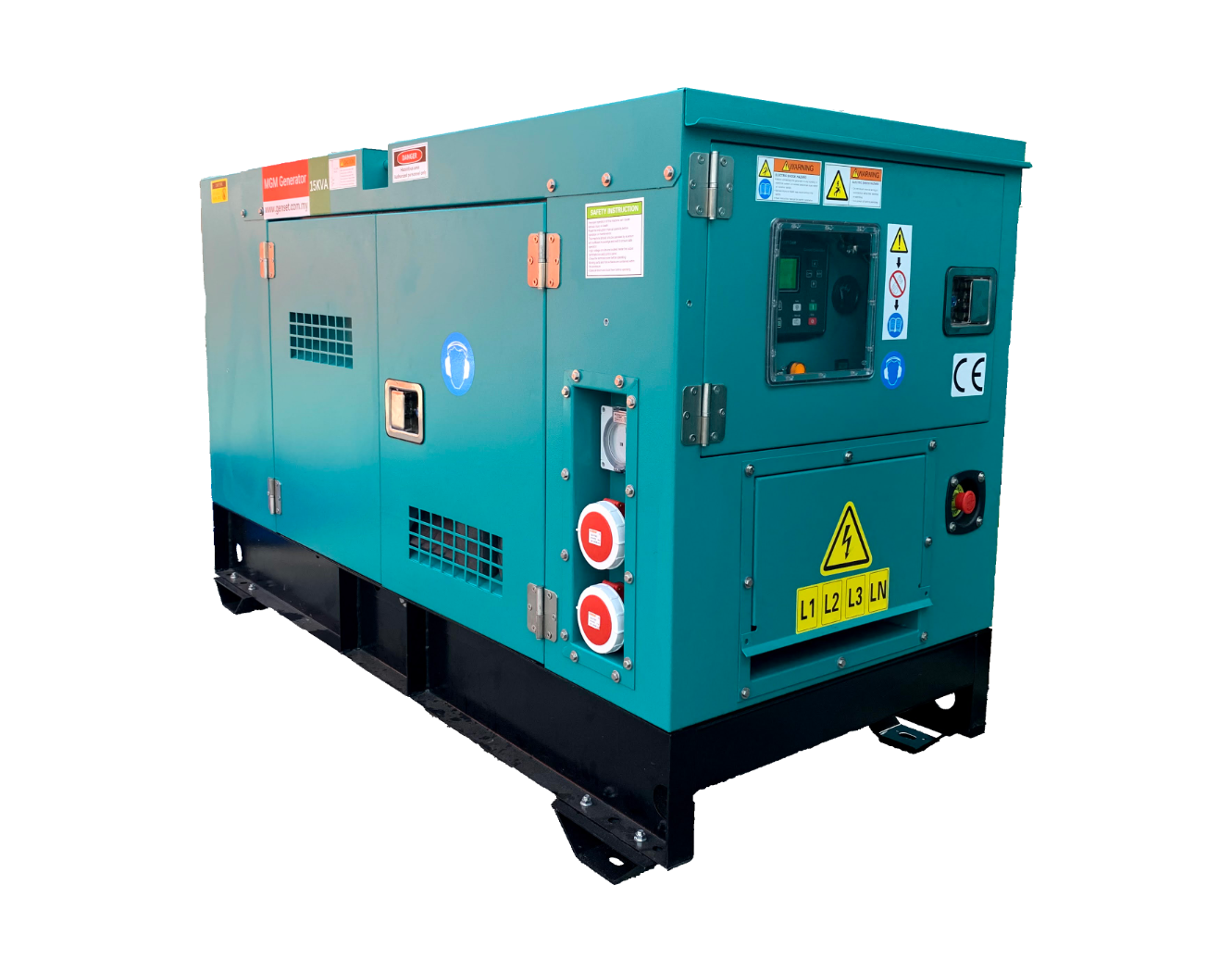

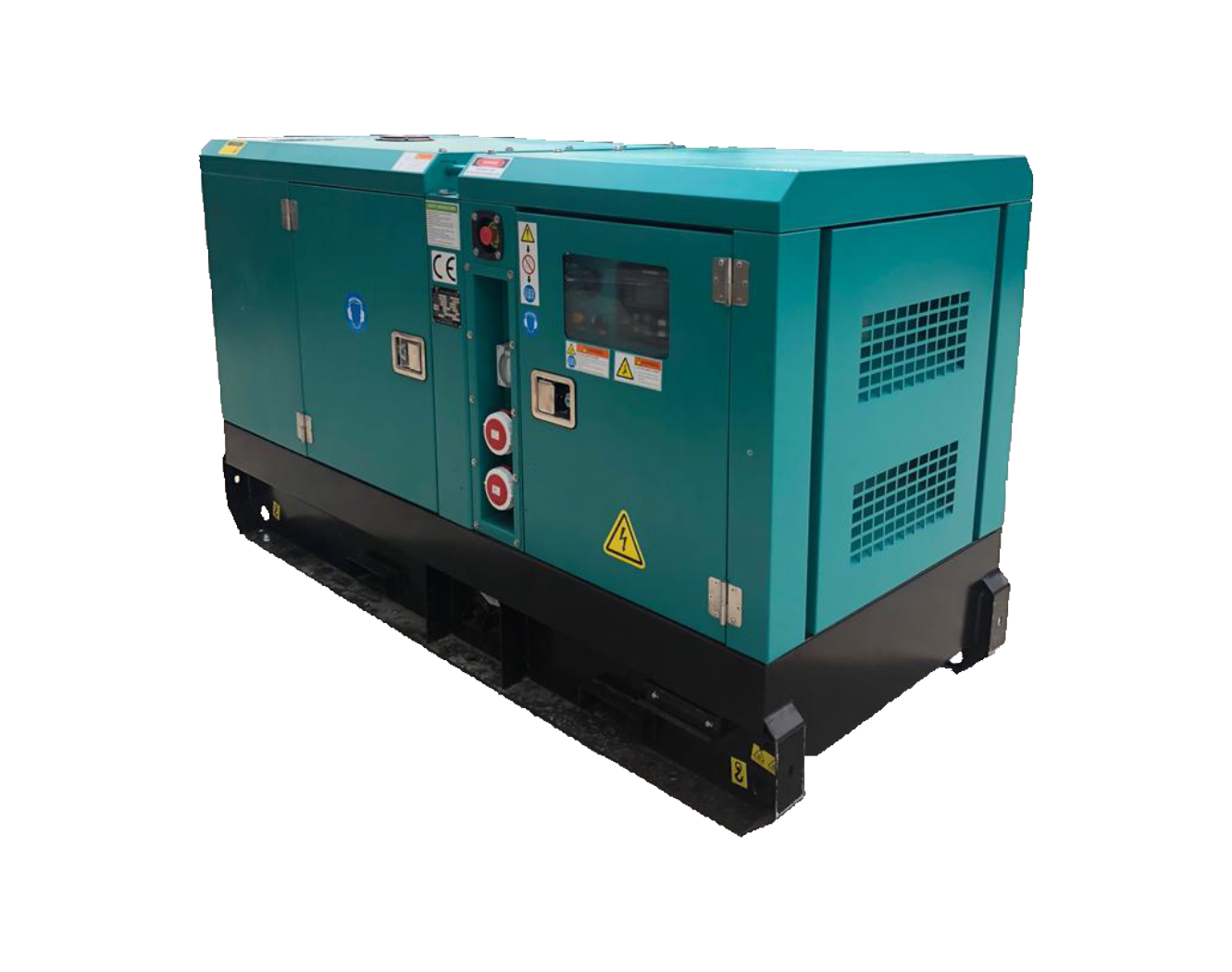
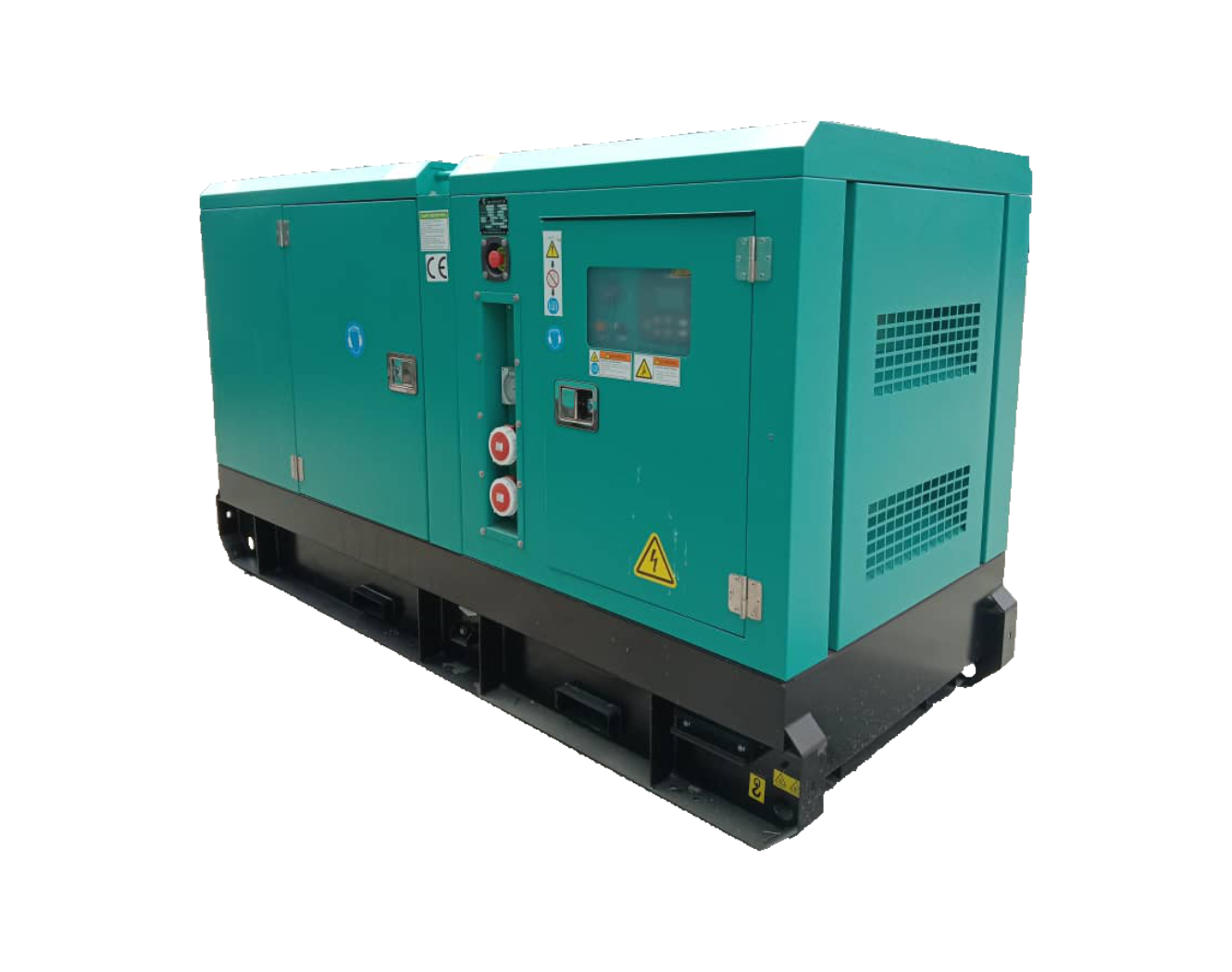
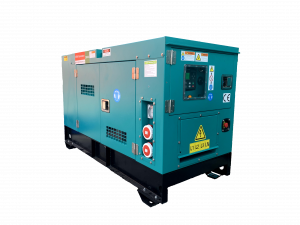

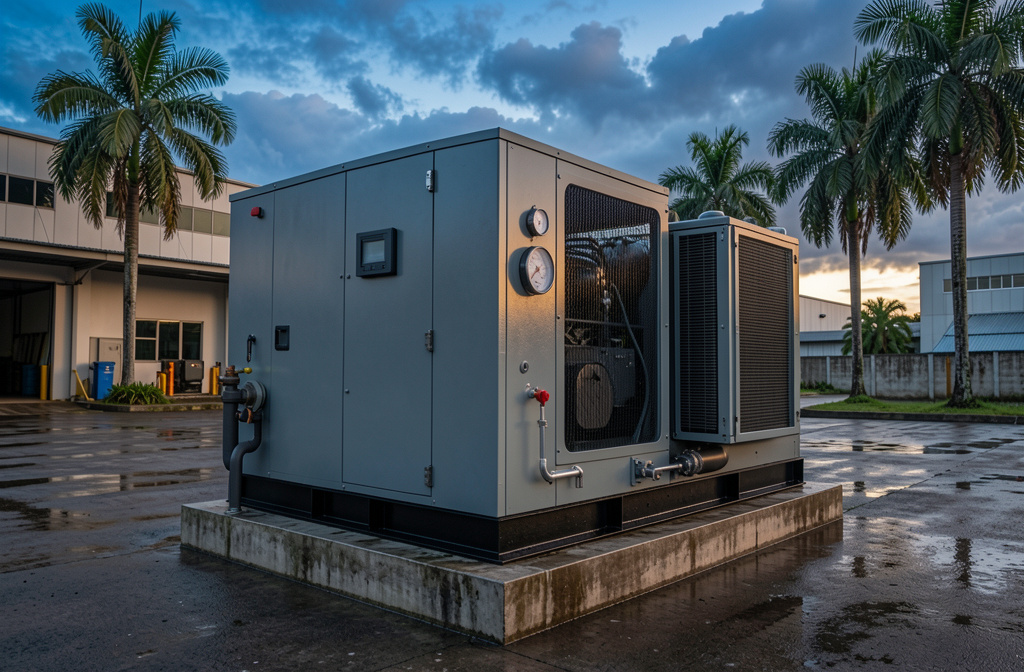
A 125 kVA generator diesel consumption per hour in litres is the number that decides whether a 125 kVA set is the cheapest or the most expensive machine you will ever install. On a modern turbo-intercooled diesel in prime duty, expect roughly five litres per hour at a quarter load, ten and a half at half load, fourteen and a half at three-quarter load, and about nineteen litres per hour flat on the front of the machine. This guide gives those figures properly, shows the exact monthly cost arithmetic Malaysian buyers forget to run, explains why the same 125 kVA genset burns forty percent more fuel in a Shah Alam workshop than the brochure promises, and lists the six changes that genuinely bring litres per hour down.
125 kVA Generator Diesel Consumption Per Hour In Litres By Load
Load is the single biggest driver of 125 kVA generator diesel consumption per hour in litres, and a genset is never asked to carry the same load from Monday to Sunday. The table below is the working reference our engineers use when quoting a 125 kVA MGM diesel generator for factories, shoplots, clinics and small data rooms across Peninsular Malaysia.
- 25 percent load (about 31 kW): around 5.0 litres per hour
- 50 percent load (about 62 kW): around 10.5 litres per hour
- 75 percent load (about 94 kW): around 14.8 litres per hour
- 100 percent load (about 125 kVA / 100 kW): around 19.0 litres per hour
These are per-hour figures for a well-tuned set running on mineral diesel at sea-level conditions with a warm engine. A standby set that only runs during TNB interruptions usually sits near the fifty to seventy-five percent band, which is exactly where a 125 kVA generator diesel consumption in litres per hour behaves most predictably. Our full fuel consumption chart covers adjacent sizes from 22 kVA to 750 kVA for comparison.
Turning Litres Per Hour Into A Monthly Fuel Bill
Owners rarely object to the litres quoted for a 125 kVA generator. They object to the invoice at the end of the month. The math takes one minute and it settles sizing arguments faster than any brochure.
Take a factory running its 125 kVA set as prime power for twelve hours a day, twenty-five days a month, at an average sixty percent load. That is roughly twelve and a half litres per hour, three hundred running hours, so about three thousand seven hundred and fifty litres monthly. At diesel pump prices in the ringgit two ringgit eighty to three ringgit thirty band, that lands between ringgit ten thousand five hundred and ringgit eleven thousand two hundred a month before transport or tank top-ups. Now take a clinic running the identical machine purely as standby: forty hours a year at sixty percent load, five hundred litres, about ringgit one thousand five hundred. Same machine, same nameplate, twenty times the fuel bill.
Three variables change the outcome more than anything else: annual running hours, average load factor, and whether fuel is bought at commercial pump rates or delivered in bulk. When you request a quote from our sales team, we ask those three questions first, because a 125 kVA diesel genset is the right answer for one set of answers and the wrong answer for the others.
Why Real Consumption Beats The Datasheet
Anyone comparing a datasheet against their own fuel log has noticed a gap. The reasons are consistent and mostly fixable.
Low-load running. A 125 kVA set idling at fifteen or twenty percent load is the worst place to be. Combustion temperature drops, injection timing works against efficiency, and unburned fuel glazes the exhaust and turbo. Fuel per kilowatt-hour roughly doubles against the fifty percent figure, and the machine quietly develops wet stacking as well. If your true connected load sits near thirty kW, a smaller set will run cooler, cleaner and far cheaper.
Malaysian ambient conditions. Constant thirty-three degree heat, ninety percent humidity and coastal salt air all push air density down and cooling fans harder. Radiator fan load on a hot afternoon in Port Klang can absorb several kilowatts that a European datasheet simply never budgets for.
Blocked filters and tired injectors. A clogged air cleaner is the most common cause we find on low-hours sets in industrial areas, sometimes costing six to ten percent of efficiency. Injector spray patterns deteriorate slowly enough that nobody notices until a fuel log is kept.
Power factor and motor starting. A site of mostly motors with poor power factor forces higher current for the same useful work, so the engine works harder than your kW total suggests. Reactive power does not appear on a kilowatt meter, and it absolutely appears on a fuel receipt.
Parasitic loads. Block heaters, battery chargers, controller standby draw and canopy heaters run around the clock. Individually trivial, together they can be two hundred to four hundred watts taken before the generator supplies anything useful.
Fuel quality and storage. Water and algae in a depot tank reduce calorific value and damage injectors. Diesel in Malaysian above-ground tanks sees condensation daily; polite fuel management is a fuel saving measure, not a hygiene chore.
Is A 125 kVA Diesel Generator The Right Size
Fuel answers the sizing question more honestly than any kVA sticker. If the connected load runs close to one hundred kW and you need headroom for motor starting, a 125 kVA MGM generator is a sensible fit and its consumption per hour stays in the efficient band. If your measured maximum demand is fifty to seventy kW, a smaller machine at seventy percent load will burn less than a 125 kVA set at forty percent, with a lower purchase price and smaller service parts. Our genset size and fuel calculator does this comparison in one pass using your actual meter readings, and the 2026 genset price guide by kVA gives the capital side of the same decision.
Do not forget standby duty cycles with long monthly test runs. A weekly thirty-minute test at low load costs fuel and invites wet stacking; a monthly loaded run at thirty percent or more costs slightly more diesel and saves considerably in injectors, turbo cleaning and exhaust work.
Six Changes That Cut 125 kVA Generator Fuel Burn
Load management. Shift heavy intermittent loads, compressors and large pumps, into staggered starting so average load rises toward the efficient sixty to eighty percent band without buying a bigger set.
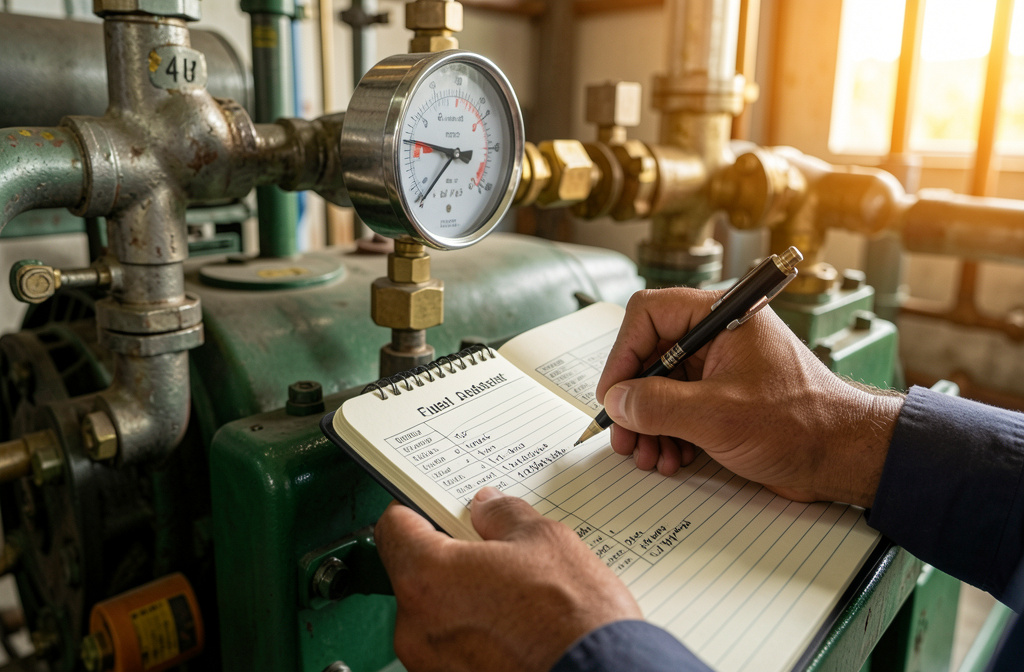
Correct the fuel figures. Fit a fuel flow meter or at least run metered tank dips weekly. A fuel log is the cheapest engineering tool in the plant room, and a one hundred and twenty five kVA genset with a leak, stuck injector or slipping alternator reveals itself within a fortnight of honest recording.
Air and fuel filter discipline. Service on hours actually run, not on calendar months of standby idleness. In dusty industrial zones, halve the air filter interval.
Cooling system care. Clean radiator fins, verify belt tension, and keep the coolant mixture correct. An engine running five degrees hot is a thirstier engine.
Shed parasitic loads. Timer-control the block heater so it only warms in the hours before a scheduled test, and put battery chargers on a monitored circuit.
Fuel supply hygiene. Drain water from the day tank weekly, treat long-stored diesel, and buy from a supplier with documented turnover.
On machines we commission and service, these six practices routinely recover five to twelve percent of fuel, which on a prime-duty set burning three thousand litres a month is real money in the first quarter alone. Our service plans cover the same inspection list every visit, so the saving does not quietly evaporate between contracts.
Get An Exact Figure For Your Site
MGM Generators supplies, installs, rents and services diesel generators from 15 kVA to 1250 kVA throughout Peninsular Malaysia, with canopy, soundproof quiet enclosures, automatic transfer switches, fuel tanks and AMF controllers under one contract.
Send your load list, running hours and site location and we will model the honest fuel position for your duty cycle, at no charge.
Call us now: +6012 9689816
WhatsApp our team at https://api.whatsapp.com/send?phone=60129689816
Or submit your requirement through our contact page for a written consumption estimate and current 125 kVA pricing.