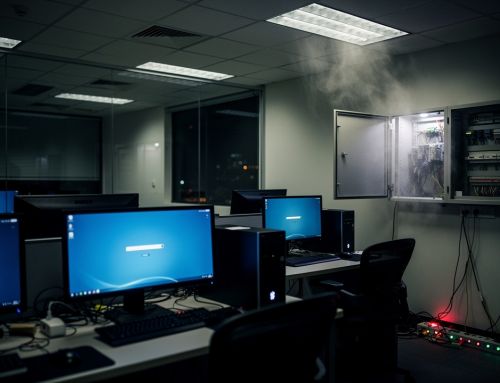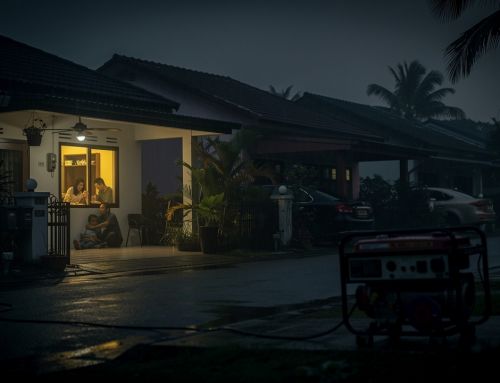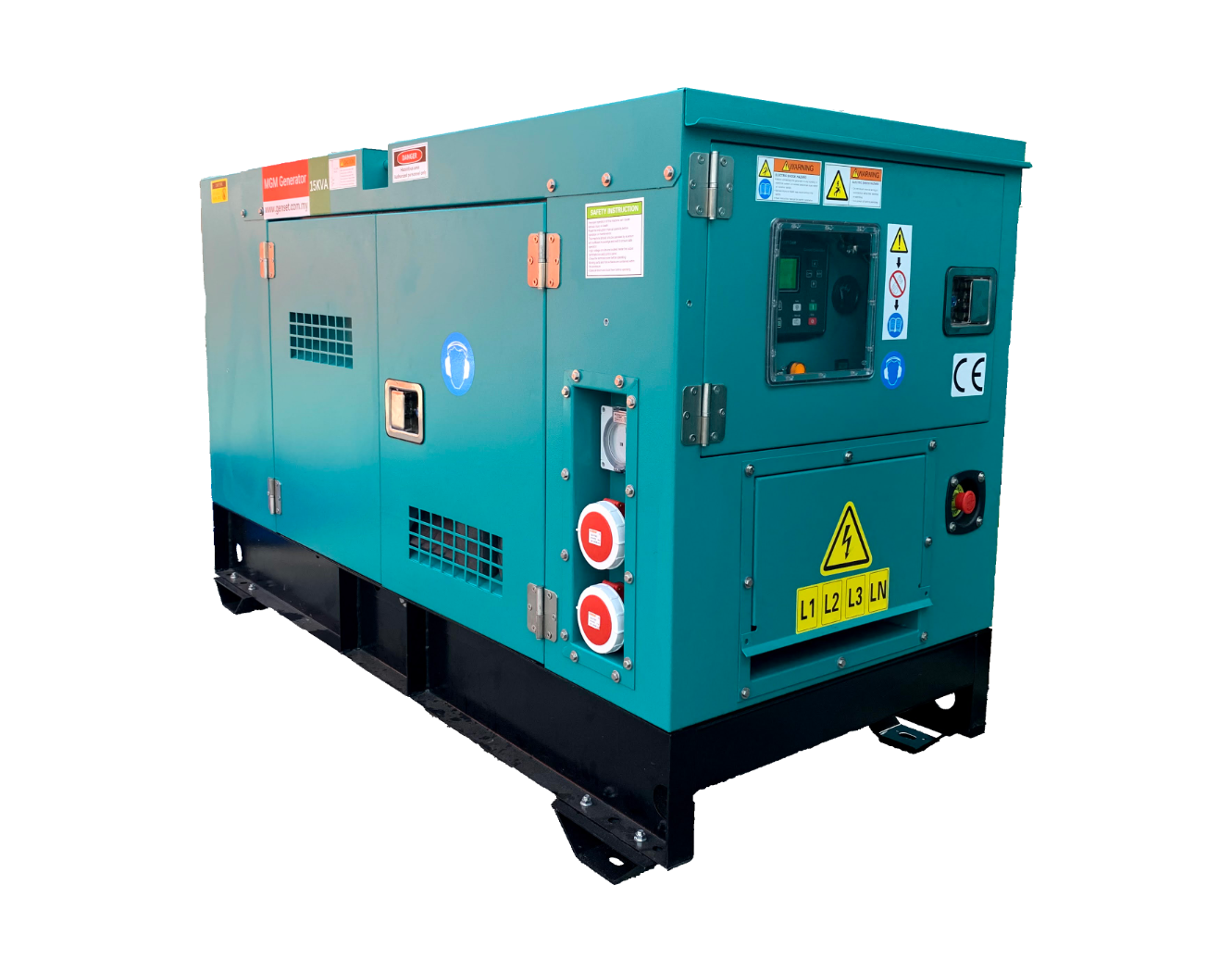

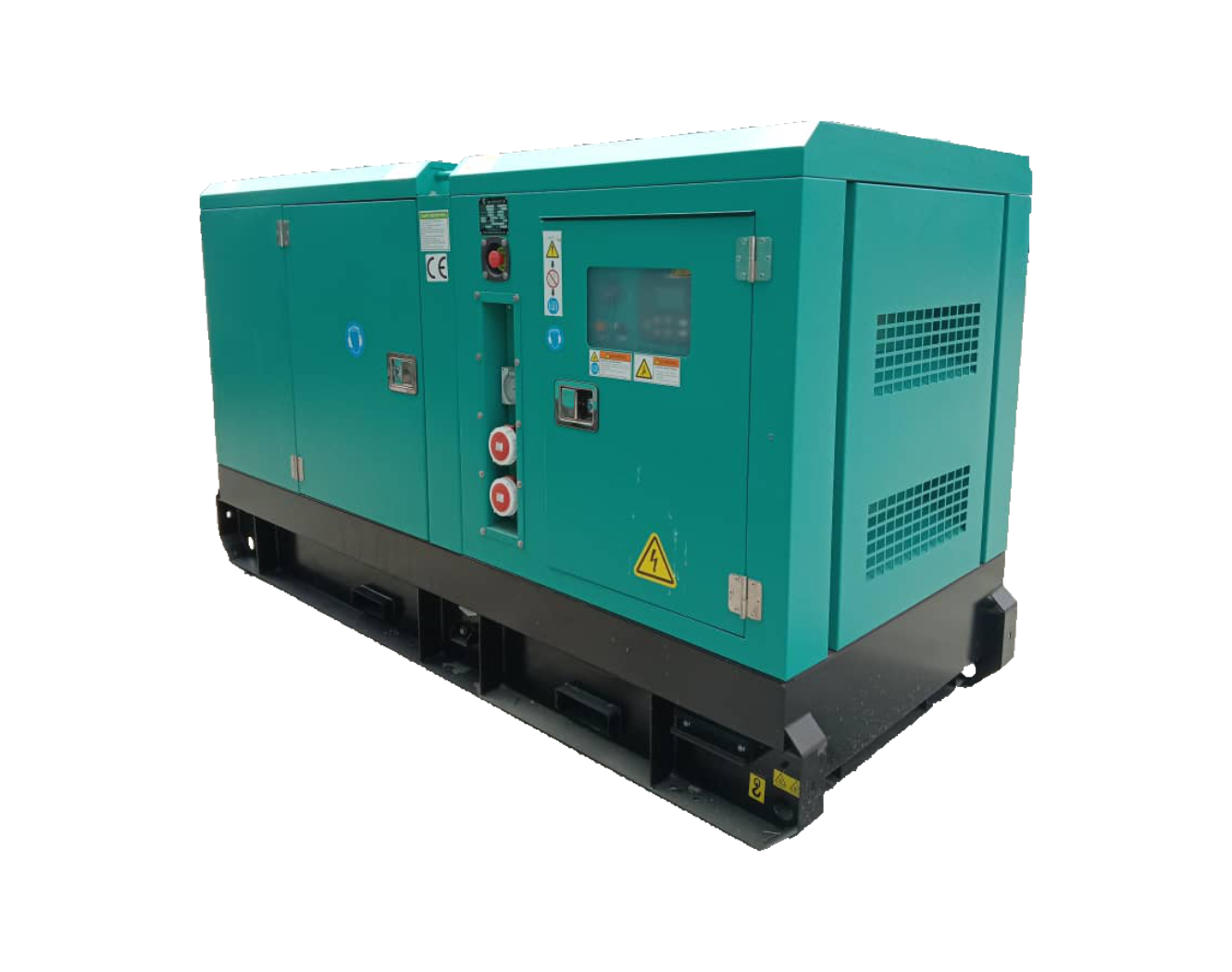


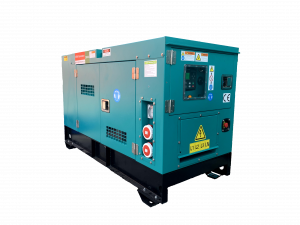


Genset maintenance is the difference between a diesel generator that carries your load within ten seconds of a TNB power cut and one that cranks uselessly while your production line, cold room or lifts go dark. Most genset failures are not mechanical mysteries — they are the predictable result of skipped service intervals, contaminated diesel and tired batteries. In this guide, MGM Generators breaks down the maintenance schedule every diesel generator needs, what a proper genset maintenance contract in Malaysia should include, and the warning signs that your set is asking for urgent attention before it fails you when it matters.
Why Genset Maintenance Matters More in Malaysia
Malaysian operating conditions are unusually hard on standby generators, and three local factors are behind most of the damage we see on service visits:
- Heat and humidity. Ambient humidity of 80–95 percent promotes condensation inside fuel tanks, accelerates corrosion of batteries, terminals and exhaust components, and breaks down engine-oil additives faster than many datasheet intervals assume.
- Diesel bug and contaminated fuel. Water that condenses in day tanks and storage tanks is the breeding ground for microbial growth — the so-called diesel bug — that clogs filters and corrodes injectors. Sets that sit idle for weeks between runs are the most vulnerable.
- Light-load standby duty. A genset that only runs a ten-minute monthly test at 20 percent load never gets hot enough to burn off unburnt fuel. Wet stacking — carbon and wet fuel building up on injectors, valves and the exhaust — is the signature failure of under-loaded Malaysian standby sets.
That is why OEM service intervals are ceilings, not targets. A set in a Shah Alam factory basement and a towable unit on a dusty Kajang construction site do not deserve the same schedule; the site set will need shorter filter and air-cleaner intervals, full stop.
The Complete Genset Maintenance Schedule
Exact intervals follow your engine manufacturer — Perkins, Cummins, Doosan and Mitsubishi all publish their own — but the proven framework MGM applies to most standby and prime sets in Malaysia looks like this:
First 50 hours: commissioning service
The break-in service most owners forget. It should cover an engine oil and oil filter change to remove break-in metal particles, a bolt-torque and belt-tension check, and confirmation that battery charger, coolant and fuel system are all behaving after the engine’s first hours under load.
Every 250 hours or 6 months: the standard genset service
- Engine oil and oil filter change (Fleetguard or genuine equivalent — no generic specials on a contracted set)
- Fuel filter and water-separator element change, the first line of defence against diesel bug
- Air cleaner inspection and element change when the dust indicator demands it
- Coolant level, strength and hose condition check
- Battery load test, terminal cleaning and charger output verification
- Belts, engine mounts, exhaust connections and visual leak inspection
- Control panel alarm-history review and a written logbook entry
Every 500 to 1,000 hours: the deeper service
At this stage a proper genset servicing visit adds valve clearance inspection and adjustment, injector testing, turbocharger inspection, and cleaning of alternator and control-panel terminations — the loose connections that cause mysterious voltage faults later.
Every two years: fluids and perishables
Coolant is flushed and replaced, fuel tanks are drained, cleaned and polished, and hoses, belts and engine mounts are replaced preventively rather than after they crack. Oil analysis results are trended to catch wear before it becomes a strip-down.
Monthly and yearly testing
Beyond wear items, a genset needs to be exercised. Run a simulated mains-failure test through the AMF panel monthly, and run the set under real or resistive load — not at idle — so it reaches proper operating temperature. For hospitals, data rooms and critical factories, an annual load bank test at 50–80 percent load burns off wet stacking and proves the installation; our load bank rental guide explains how testing is arranged in Malaysia.
What a Good Genset Maintenance Contract Should Include
A maintenance contract is not a punchcard sticker on the canopy. Before signing with any genset service provider in Malaysia, check that the agreement covers the following:
- Consumables included. Engine oil, filters and coolant should be in the contract price, not billed as surprises at every visit. Contracts that cover labour only look cheap until the first service invoice arrives.
- A defined response SLA. For Klang Valley sites, 24-hour callout attendance is a reasonable demand; further north and south, 48 hours. Get it in writing, plus the after-hours rate if emergency callout is not included.
- Scheduled visits with load testing. At least two planned services a year for a standby set, each ending with a run under load and a written report — photos, readings and hour-meter log.
- Genuine or OEM-equivalent parts. Filter quality is the difference between a fuel system that lasts and one that does not.
- Battery and coolant checks in scope. These two items cause the majority of no-start failures, yet budget contracts quietly exclude them.
- Breakdown parts cover. Decide whether parts are reimbursable or covered, and cap the labour rate either way.
- Emergency power backup during a long repair. A contractor who can deliver a towable genset to your site within a day is worth far more than a slightly lower monthly fee.
Full contracts (parts, fluids and callout included) cost more per month and almost always win over a year, because they turn an unpredictable repair bill into a fixed line item your finance team can actually budget.
Six Warning Signs Your Genset Needs Urgent Servicing
- Slow or failed cranking. Weak batteries and failed chargers are the number-one cause of no-starts — understand exactly what happens between the signal and the breaker in our explainer on how a genset starts in the first 10 seconds, from battery to breaker.
- Blue, white or heavy black smoke. Blue means oil burning, white can mean coolant, and persistent black at steady load points at injection or overloading.
- Fresh drips under the set. Fuel, oil or coolant leaks never improve on their own, and a fuel drip onto an exhaust manifold is a fire risk.
- Coolant temperature drifting upward. A set running 5–10 degrees hotter than its history is telling you the radiator, thermostat or water pump needs attention.
- Fuel consumption creeping up at the same load. Clogged filters and tired injectors show on the hour meter before the workshop. Our fuel-saving gensets guide shows how to track it.
- Alarms your operators keep resetting. Every panel event is a memory entry. Repeated shuffles on emergency-stop or derate events are a diagnosis, not noise.
What You Can Check Between Service Visits
You do not need a technician for the 15-minute monthly walk-by: engine oil and coolant levels, visual leak check, battery charger showing float charge, fuel level high enough for a long outage, hour-meter reading logged, and the room’s ventilation louvres clear of debris and bagged plastic. During monsoon season, walk the room for water ingress and keep air intakes clear — our monsoon power checklist covers the full routine. When you exercise the set, aim for 30–80 percent load for 15–30 minutes; idling a diesel genset does more harm than good.

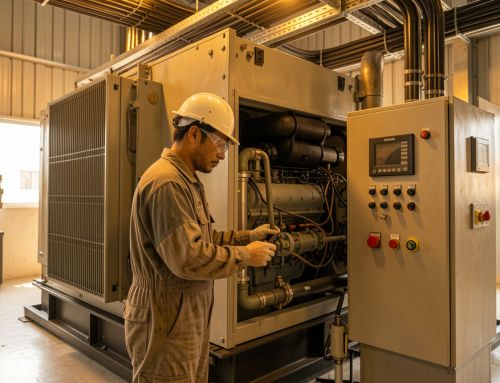
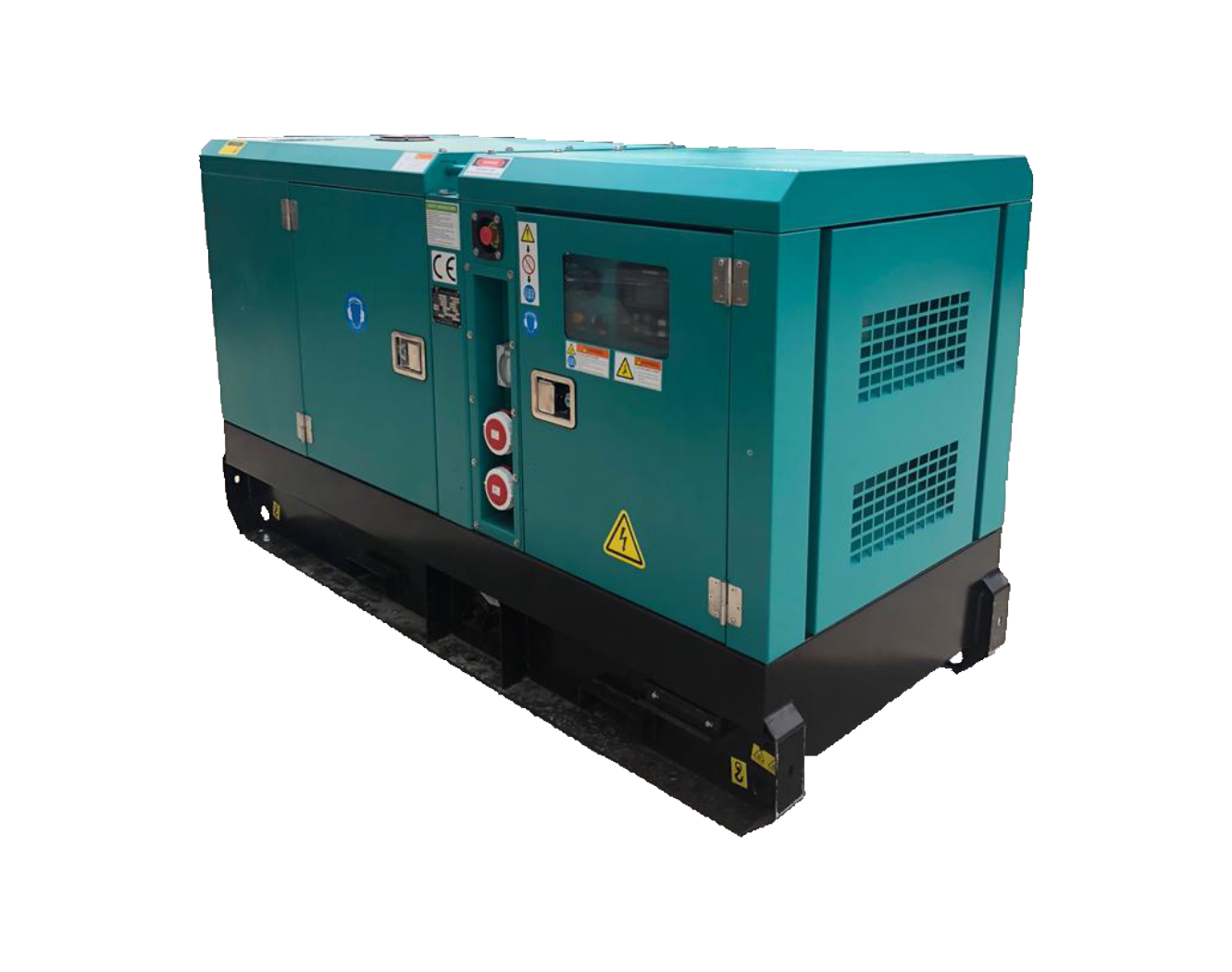
Scheduled genset maintenance by an MGM technician: filters, fluids, batteries and load test on every visit.
Book Your Genset Maintenance With MGM Generators
MGM Generators supplies, installs and services diesel generators from 10 kVA to 3,000 kVA for factories, construction sites, plantations, shops and residences across Malaysia. Whether you need a one-off service, a full annual maintenance contract, or help bringing a neglected second-hand set back to health, our technicians arrive with genuine filters, the right oils and a checklist — and you get a written report every visit.
Call us now: +6012 9689816
Visit our contact page to submit an enquiry form.
WhatsApp: Chat with us on WhatsApp
Contact page: Send an enquiry form