

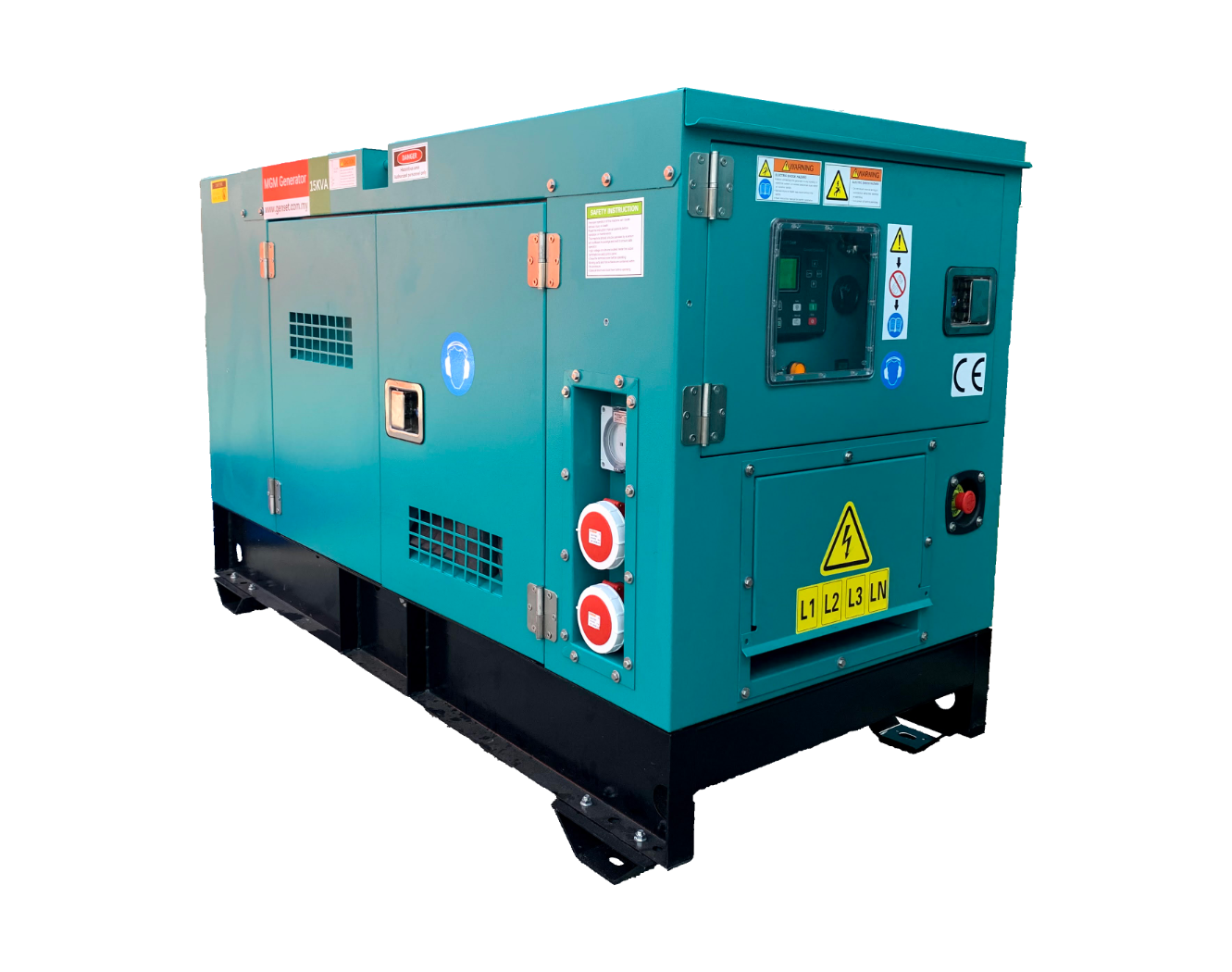

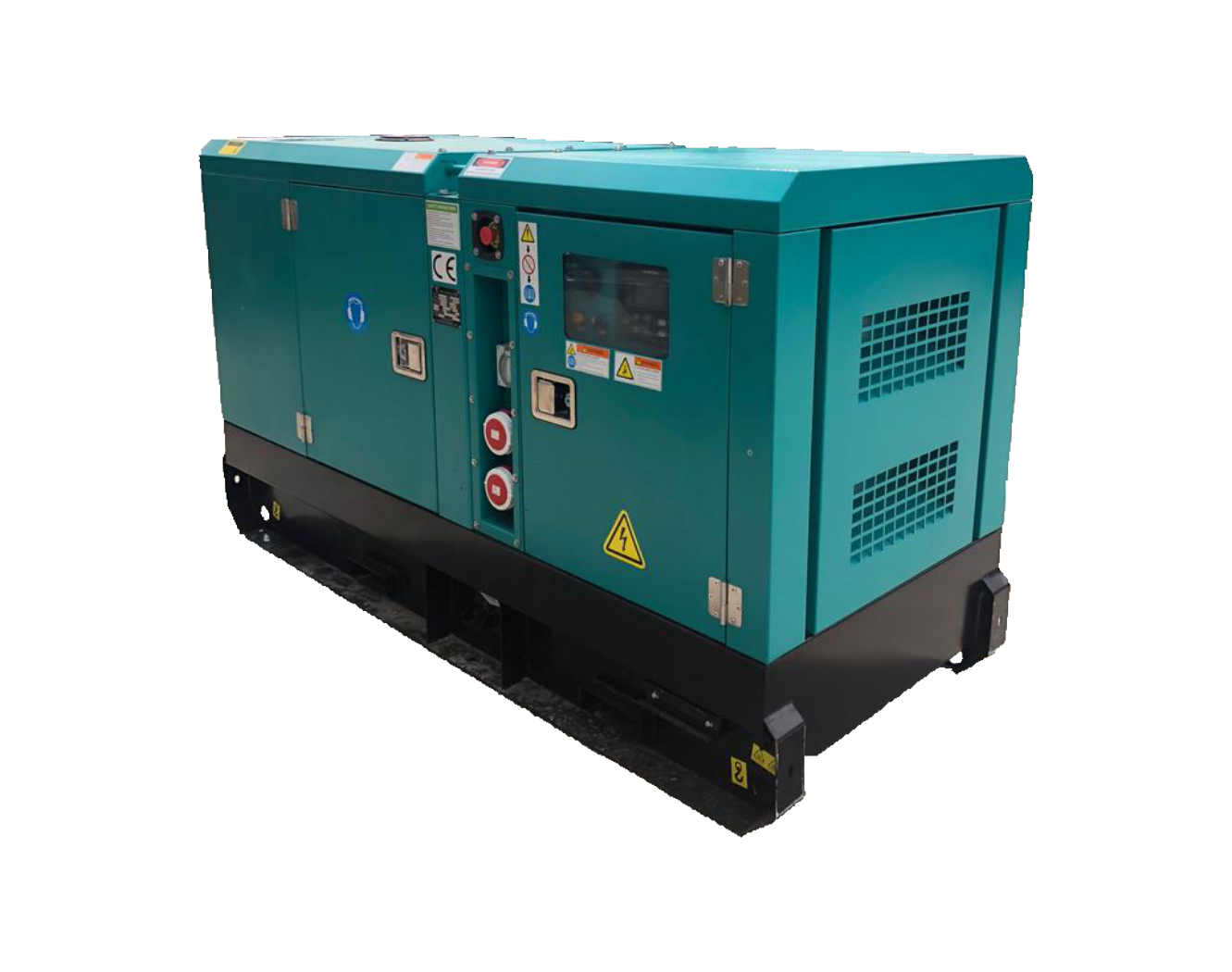
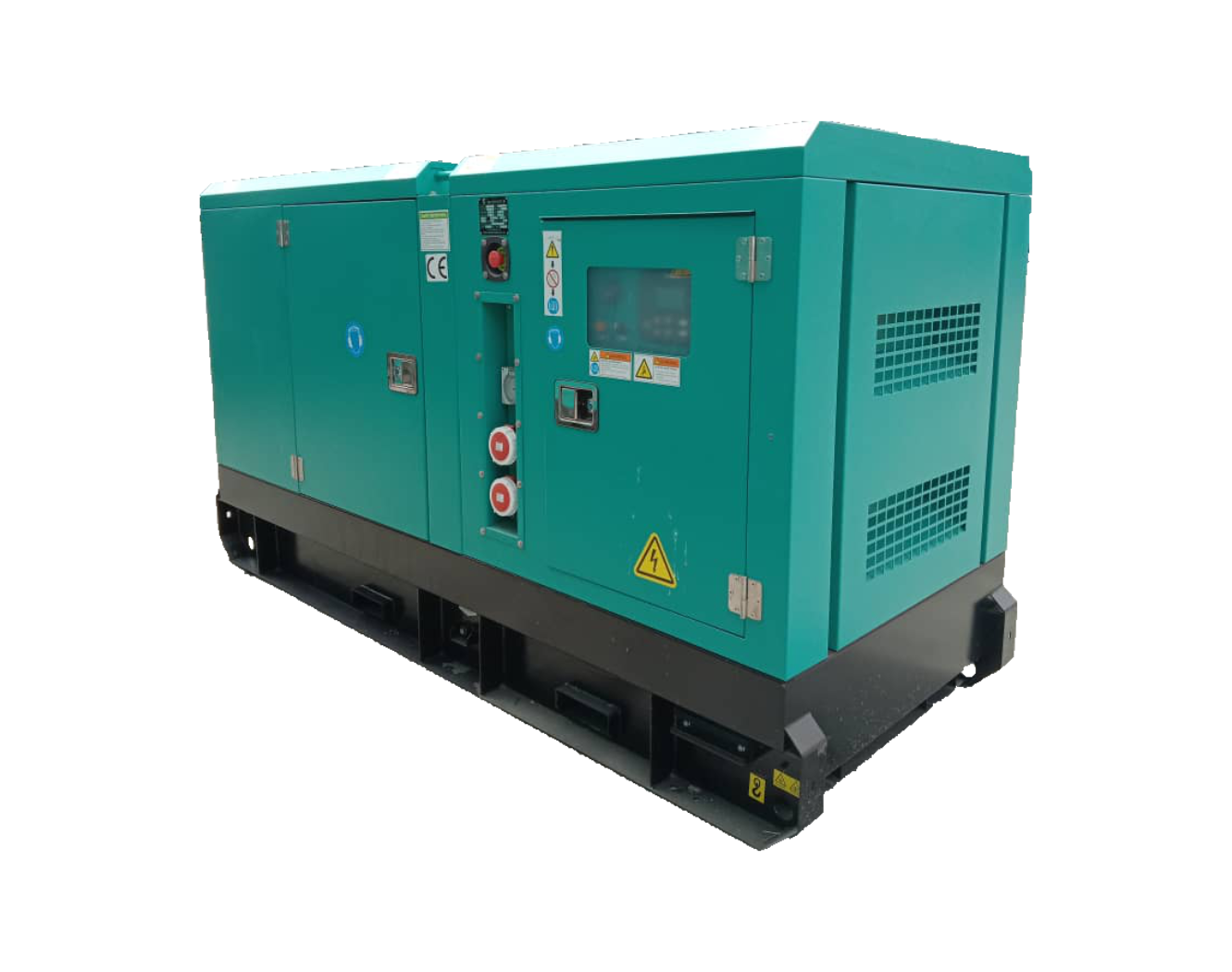





What Is an Automatic Transfer Switch?
An Automatic Transfer Switch (ATS) is an intelligent device that monitors mains power and automatically switches your electrical load to generator power when the grid fails. It eliminates the need for manual intervention — no one needs to be present to start the generator or flip switches. Power restores automatically within seconds.
The ATS consists of three main components: the transfer mechanism (motorized contactors or changeover switch that physically switches between mains and generator), the controller (the brain that monitors voltage, frequency, and phase, and commands the transfer), and sensors that continuously measure power quality on both sources.
Open Transition (break-before-make) is the most common ATS type in Malaysia. It disconnects from mains before connecting to generator — a brief power interruption (typically 10-30 seconds) occurs. This is acceptable for most applications and protects against parallel operation.
Closed Transition (make-before-break) ATS units transfer without interruption. They briefly parallel both sources before switching. Used in critical facilities where even momentary power loss is unacceptable — data centres, hospitals, continuous-process manufacturing. Higher cost, more complex, requires precise synchronization.
Static Transfer Switches use solid-state power electronics (thyristors/IGBTs) for instant switching — no moving parts, transfer in milliseconds. Extremely fast but limited to smaller loads (typically under 100A per pole). Used for critical IT equipment and sensitive electronics.
How an ATS Works
1. Mains Power Fails
ATS controller continuously monitors mains voltage. When voltage drops below threshold (typically 80-85% of nominal) or complete loss occurs, the controller detects the failure and starts the transfer sequence.
2. ATS Sends Start Signal
The controller sends a start command to the generator. The diesel engine cranks and starts. The generator runs up to speed and stabilizes voltage and frequency. This takes 8-10 seconds for most diesel generators.
3. Power Transfers
Once the generator produces stable power, the ATS controller commands the transfer mechanism to switch. The load disconnects from mains and connects to generator. Your building now runs on generator power.
4. Mains Returns
The ATS continues monitoring mains power. When grid supply returns and remains stable for a set period (30-60 seconds), the ATS transfers the load back to mains and shuts down the generator. The system returns to standby mode.
ATS Specifications
Ampere Ratings: ATS units are rated by maximum continuous current. Common sizes: 63A, 100A, 160A, 250A, 400A, 630A, 800A, 1250A, 1600A, 2500A, 3200A. Select rating based on your total load current plus 20-25% safety margin. For three-phase systems, calculate from kW: Current (A) = kW / (?3 × Voltage × Power Factor). Typical 400V three-phase: 100A ? 70kW, 250A ? 175kW, 630A ? 440kW.
Pole Configuration: 2-pole ATS switches single-phase (L1, N) — used for small residential applications under 100A. 4-pole ATS switches three-phase with neutral (L1, L2, L3, N) — standard for commercial and industrial installations. Some applications require switching of all four poles for complete isolation.
Control Panel Brands: Deep Sea Electronics (DSE) — British-made, industry standard, reliable with extensive monitoring features. DSE 7310 and 7320 are popular controllers. ComAp — Czech manufacturer, advanced features with PLC capability for complex systems. Datakom — Turkish, cost-effective with good functionality for standard applications. All integrate with Cummins, Perkins, Doosan, and Isuzu generators.
Enclosure Options: Indoor panels for installation in switch rooms or generator enclosures — IP20 protection, ventilated design. Outdoor IP54 panels for standalone installation in exposed locations — weatherproof, gasketed doors, rain protection. All enclosures meet Malaysian safety standards with door interlocks (power disconnects when door opens) and lockable handles for unauthorized operation protection.
Do You Need an ATS?
ATS is essential when: Human presence cannot be guaranteed during power outages. Critical systems must continue running without interruption. Life support, safety systems, or revenue-critical equipment require automatic backup power.
Hospitals: Life support systems, operating theatres, ICU equipment, and medical imaging cannot wait for someone to start a generator. ATS is mandatory for hospital backup power. Malaysian healthcare regulations require automatic switchover within 10 seconds for critical areas.
Data Centres: Servers and networking equipment require continuous power. Even brief outages cause data loss, hardware damage, and service disruption. ATS with closed-transition (make-before-break) is standard for data centres to prevent any interruption during transfer.
Homes: Residential backup power must work automatically when residents are away or asleep. A home with refrigerator, air conditioning, and security systems needs ATS to protect food, comfort, and safety during unattended outages.
Telecom Towers: Remote cellular sites require unattended backup power. Grid failures can last hours. ATS automatically switches to generator, keeping communication networks running.
Cold Storage: Food processing, vaccine storage, and pharmaceutical cold chains need continuous refrigeration. ATS prevents spoilage during power interruptions.
Manual transfer is acceptable when: Someone is always on-site during outages. Construction sites typically use manual transfer switches — site personnel can start generators and switch power manually. Events and temporary installations often use manual start since operators are present. Non-critical equipment (tools, temporary lighting) can tolerate brief delays.
If in doubt, install ATS. The cost difference is small compared to the protection it provides. MGM Generators can assess your facility and recommend whether ATS is justified for your application.
ATS Installation in Malaysia
ATS installation must be performed by a certified electrician or qualified engineer. The ATS is the critical link between mains, generator, and your facility — incorrect installation can cause equipment damage, fire, or electrocution.
Regulatory Compliance: All ATS installations must comply with Malaysian electrical regulations and SIRIM requirements. Wiring follows MS IEC 60364 standards (Malaysian adoption of international wiring rules). The ATS must be rated for the fault current of your supply and have appropriate short-circuit breaking capacity. Documentation is required for approval and warranty.
Installation Process: Site assessment first — we evaluate your existing electrical system, load distribution, and generator location. Panel selection follows — we specify the correct ATS rating, pole configuration, and controller for your application. Wiring connects mains input, generator input, and load output. Control wiring integrates with generator start circuit and monitoring. The ATS is mounted on a secure foundation or wall. Testing and commissioning verifies correct operation under simulated conditions. Final handover includes documentation, certificates, and operator training.
Annual Maintenance: ATS units require periodic testing to ensure reliable operation. Annual maintenance includes visual inspection of contacts and terminals (check for overheating, corrosion, loose connections), transfer testing (simulate power failure and verify automatic transfer), contact cleaning and torque checking, controller calibration test, and documentation review. Load bank testing is recommended every 2-3 years to verify full-load transfer capability. MGM Generators offers maintenance contracts covering ATS inspection and testing.