

When a data centre loses power, every second counts. But it is not just about having a backup generator — it is about how many backups you have, and how they are configured. Redundancy is what separates a Tier I server closet from a Tier IV hyperscale facility. In Malaysia’s fast-growing data centre market, understanding the difference between N, N+1, and 2N generator configurations is essential for facility planners, IT directors, and procurement teams making six-figure infrastructure decisions.
This guide explains data centre generator redundancy in practical terms — what N+1 and 2N actually mean, how each configuration handles failure scenarios, and which approach makes financial sense for different facility tiers in Malaysia. MGM Generators supplies and configures backup power systems from 15kVA to 500kVA for data centres across Peninsular Malaysia.
What Does N Mean in Generator Redundancy?
In data centre terminology, N refers to the minimum capacity required to support the full facility load. If your data centre needs 500kVA of backup power, then N = one 500kVA generator.
The letter after N describes what happens beyond that minimum:
- N — Exactly enough capacity. No backup for the backup. If the generator fails, the data centre goes dark once UPS batteries are exhausted (typically 10–15 minutes).
- N+1 — One additional unit beyond the minimum. Two 500kVA generators where only one is needed at any time, or three 250kVA generators in parallel where two carry the load.
- 2N — Two complete, independent power systems. Each system carries the full load on its own. If one entire system fails, the other takes over with zero impact.
- 2(N+1) — Maximum redundancy. Two independent systems, each with its own spare. Used only in Tier IV facilities requiring 99.999% uptime.
N+1 Generator Configuration — The Malaysian Standard
N+1 is the most common redundancy configuration for data centres in Malaysia. It provides a meaningful level of protection without the full cost of 2N.
How N+1 Works
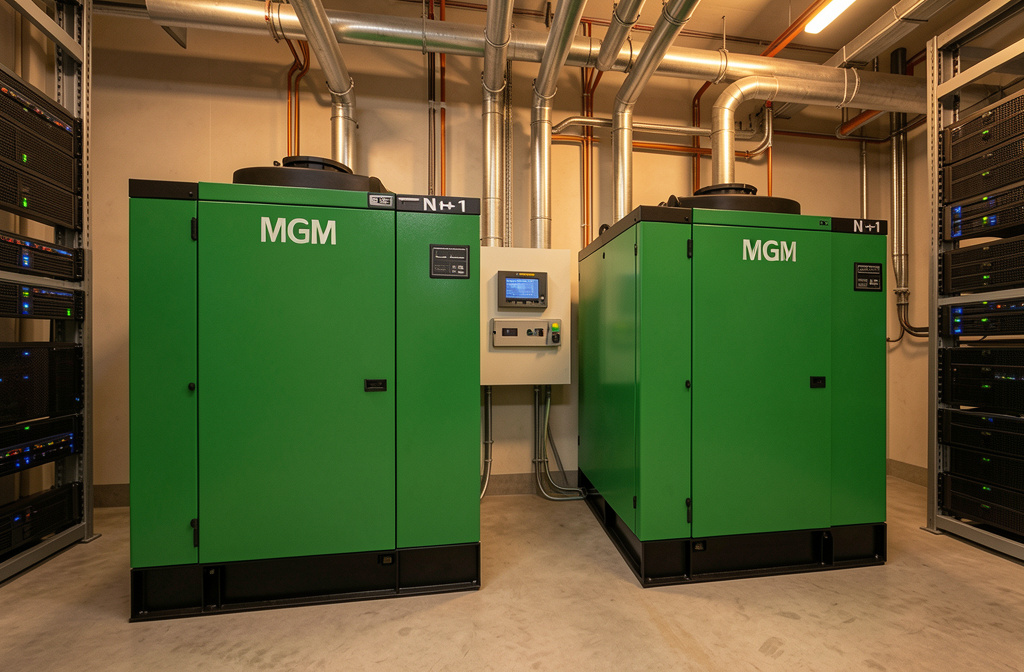
In an N+1 setup, you have one more generator than strictly necessary. For a facility needing 500kVA of backup power, an N+1 configuration would use two 500kVA generators. Under normal conditions, both generators share the load. If one fails, the remaining unit takes over the full load automatically.
N+1 Failure Scenarios
- One generator fails — The remaining unit picks up full load via ATS (Automatic Transfer Switch). No downtime. This is the scenario N+1 is designed for.
- Both generators fail simultaneously — Extremely unlikely, but this scenario results in a full outage after UPS battery depletion. N+1 does not protect against this.
- One generator is down for scheduled maintenance — The remaining unit runs the full load. You are temporarily at N (no redundancy) until maintenance completes.
For most Malaysian colocation and enterprise data centres operating at Tier II or Tier III, N+1 provides sufficient protection at a reasonable cost. Two 350kVA MGM Generators in N+1 configuration can serve a 250kVA facility load with full redundancy and 40% headroom.
Data Centre Redundancy Tiers Explained
The Uptime Institute defines four tiers of data centre reliability. Each tier has specific generator redundancy requirements:
- Tier I (Basic) — Single generator (N), no redundancy. Annual downtime: ~28.8 hours. Suitable for small business server rooms where a few hours of downtime is tolerable.
- Tier II (Redundant Components) — N+1 generator configuration. Annual downtime: ~22 hours. This is the minimum recommended for any Malaysian data centre serving external customers.
- Tier III (Concurrently Maintainable) — N+1 with fully redundant distribution paths. Any component can be taken offline for maintenance without impacting operations. Annual downtime: ~1.6 hours. The standard for enterprise colocation in Malaysia.
- Tier IV (Fault Tolerant) — 2N or 2(N+1). Every component is duplicated, and the system survives any single failure without impact. Annual downtime: ~0.4 hours. Required for financial services, healthcare, and hyperscale cloud.
The jump from Tier II to Tier III typically doubles the generator investment but reduces annual downtime from 22 hours to 1.6 hours. For a Malaysian colocation provider charging RM 2,000–5,000 per rack per month, that investment pays for itself in SLA penalty avoidance alone.
N+1 vs 2N — Cost Comparison

For a data centre requiring 500kVA of backup power:
- N configuration — 1 × 500kVA generator. Cost: RM 180,000–250,000. Risk: total outage on generator failure.
- N+1 configuration — 2 × 500kVA generators (or 3 × 250kVA in parallel). Cost: RM 360,000–500,000. Risk: outage only if both fail simultaneously (extremely rare).
- 2N configuration — 2 independent 500kVA systems, each on separate electrical paths, ATS, fuel supply, and switchgear. Cost: RM 500,000–800,000. Risk: near-zero — only a catastrophic dual-path failure causes outage.
The cost jump from N+1 to 2N is not just in generators — it extends to switchgear, cabling, fuel tanks, ATS panels, and commissioning. For most Malaysian SME and mid-tier facilities, N+1 is the sweet spot. Contact our team for a detailed cost analysis based on your specific load and tier requirements.
Parallel Generator Setup for N+1 in Malaysia
In an N+1 configuration, generators must be synchronised to run in parallel. This requires:
- Parallel control panels — Synchronise voltage, frequency, and phase before closing the circuit breaker
- Load sharing controllers — Distribute load proportionally across all running generators
- ATS with generator-to-generator transfer — Automatically start the standby unit if the primary fails within 10 seconds
- Common fuel supply or independent day tanks — Prevent single points of failure in fuel delivery
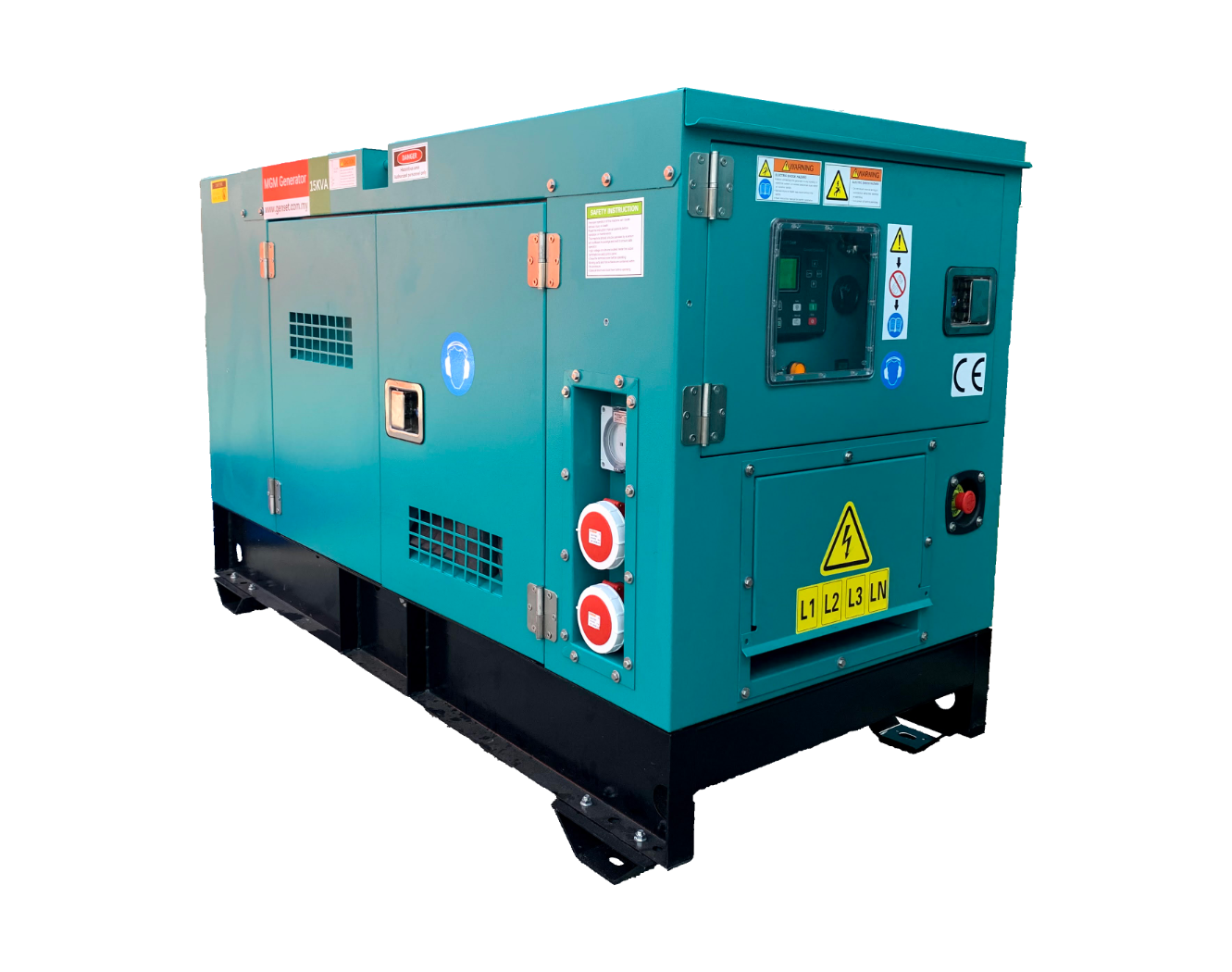
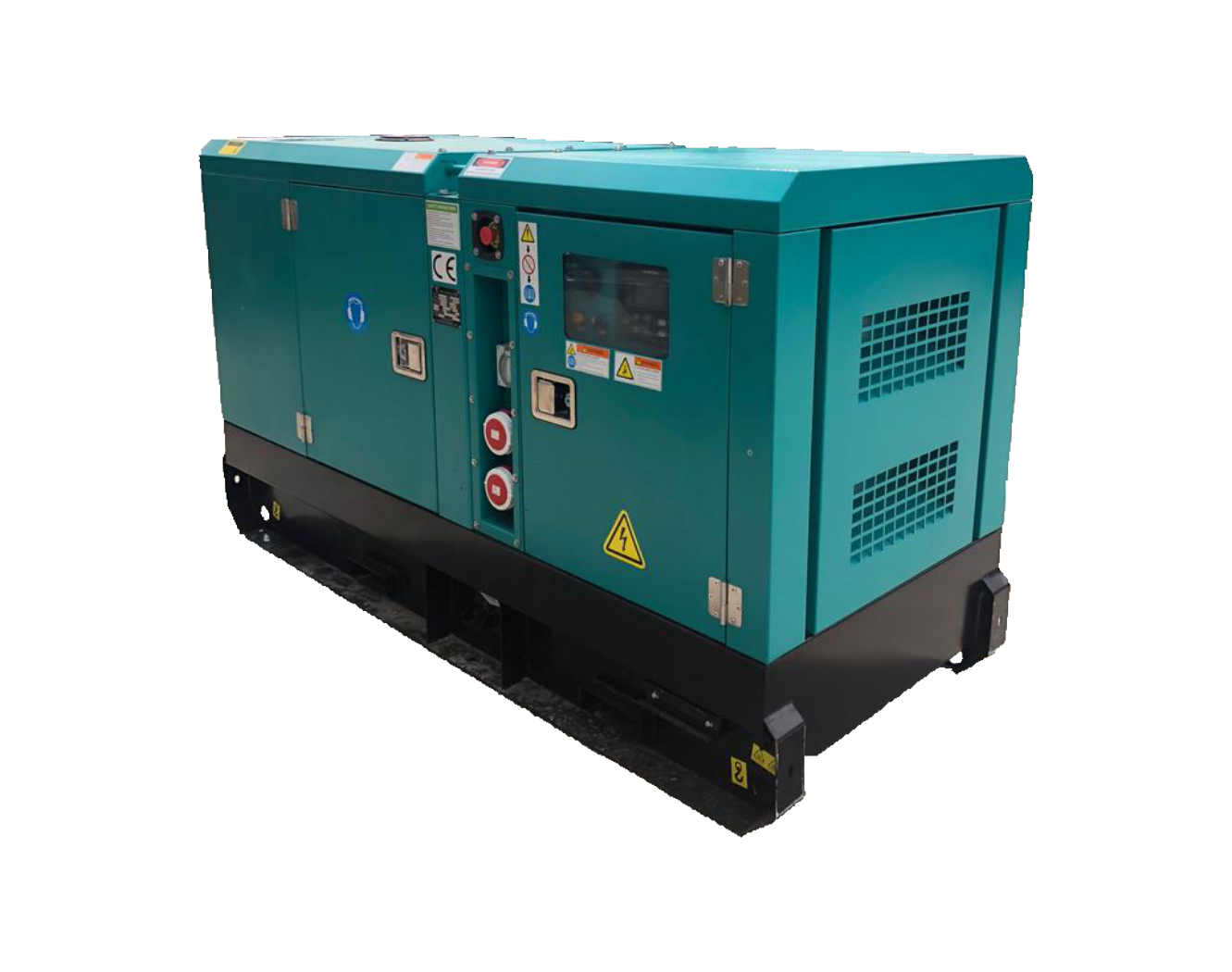
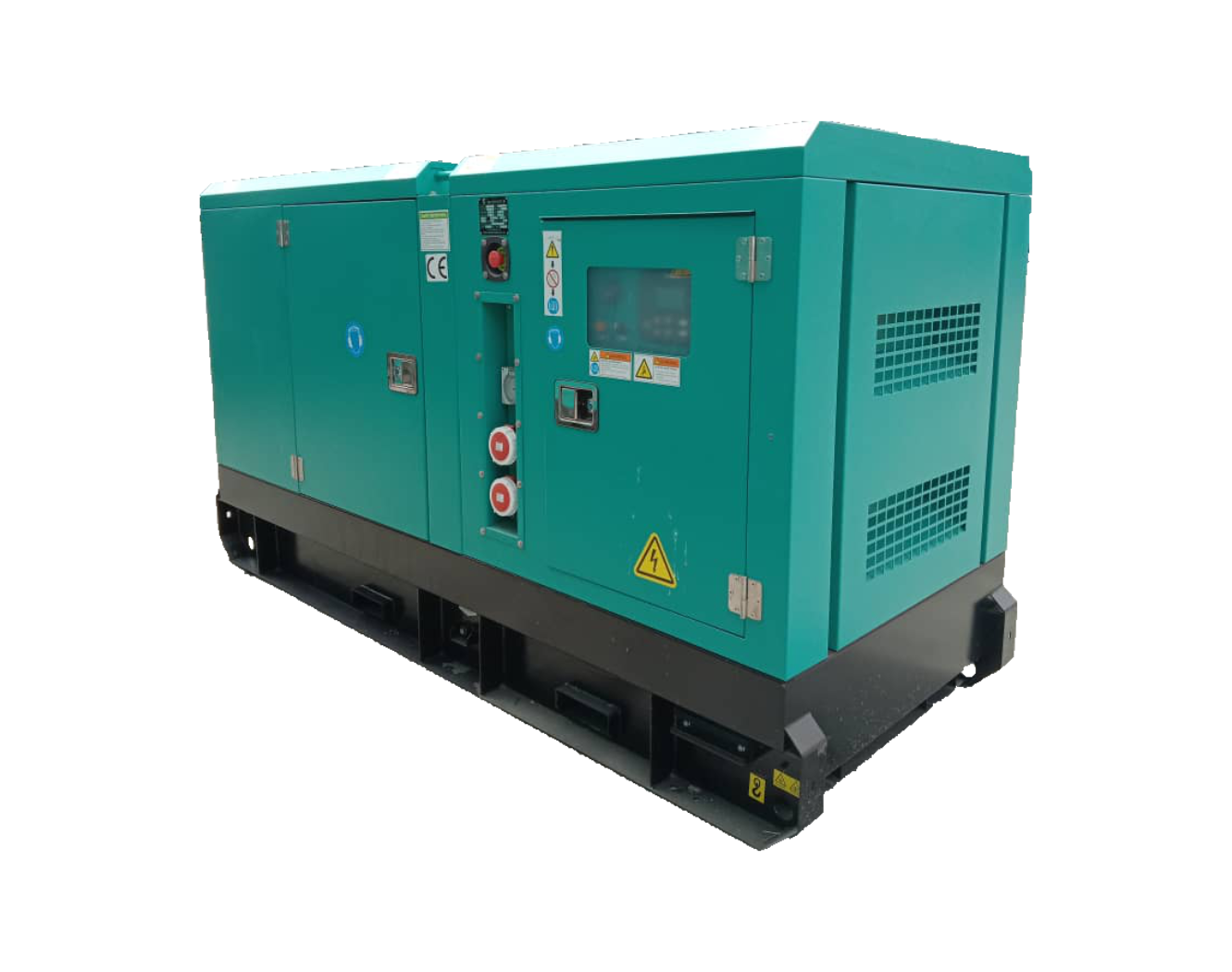
MGM Generators provides parallel-ready units with integrated synchronising controllers. For a typical 250kVA N+1 setup, we configure two 250kVA MGM Premium Generators with automatic load sharing and failover — one runs, one stands by, and the system switches seamlessly if the primary unit encounters any fault.
Choose the Right Redundancy for Your Data Centre
Not sure whether N+1 or 2N is right for your facility? Call +6012 9689816 or WhatsApp us for a free consultation. We will assess your load requirements, tier objectives, and budget to recommend the optimal generator configuration.
Visit our contact page to submit your data centre specifications, and our engineering team will respond within 24 hours with a redundancy proposal tailored to your uptime requirements.