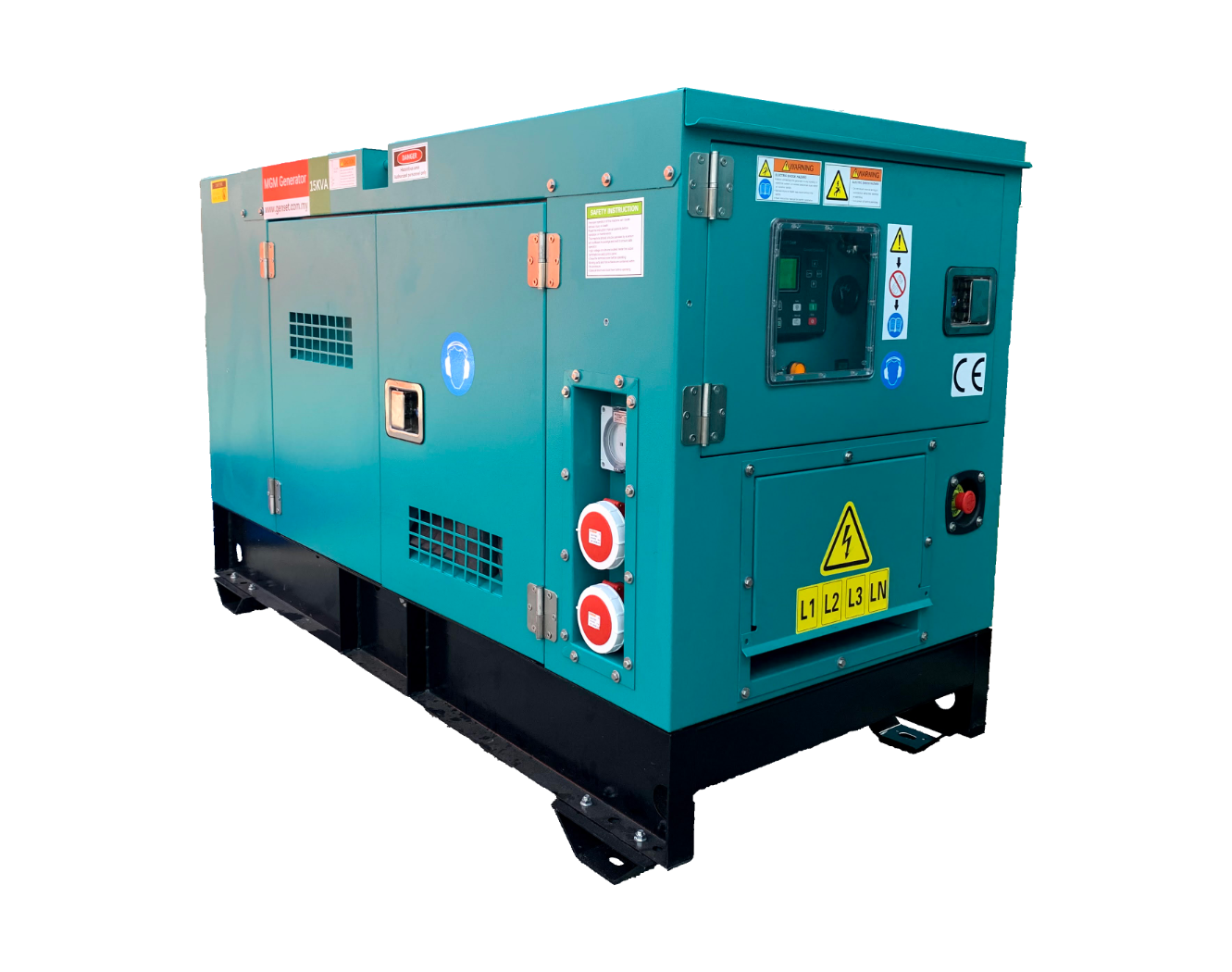

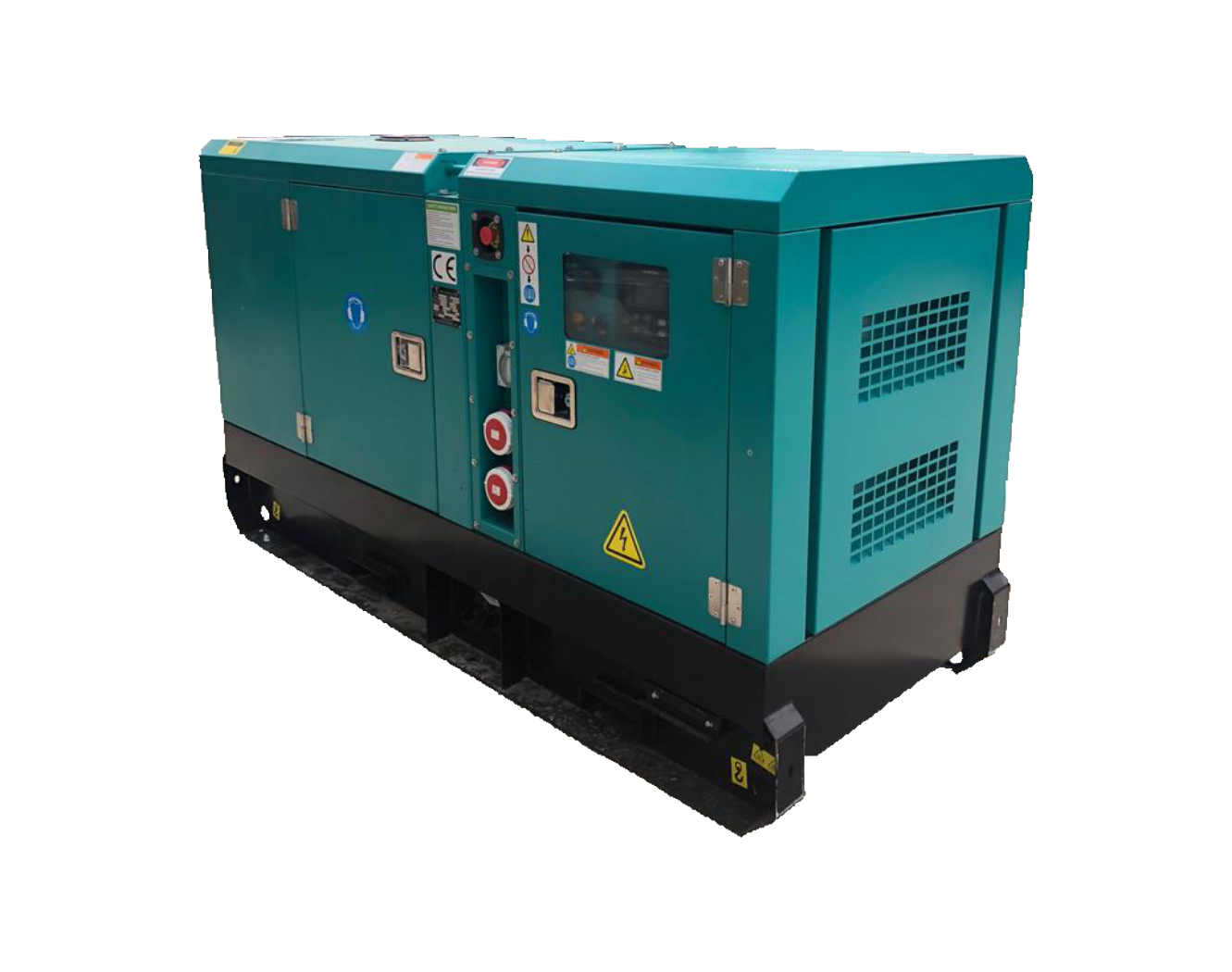
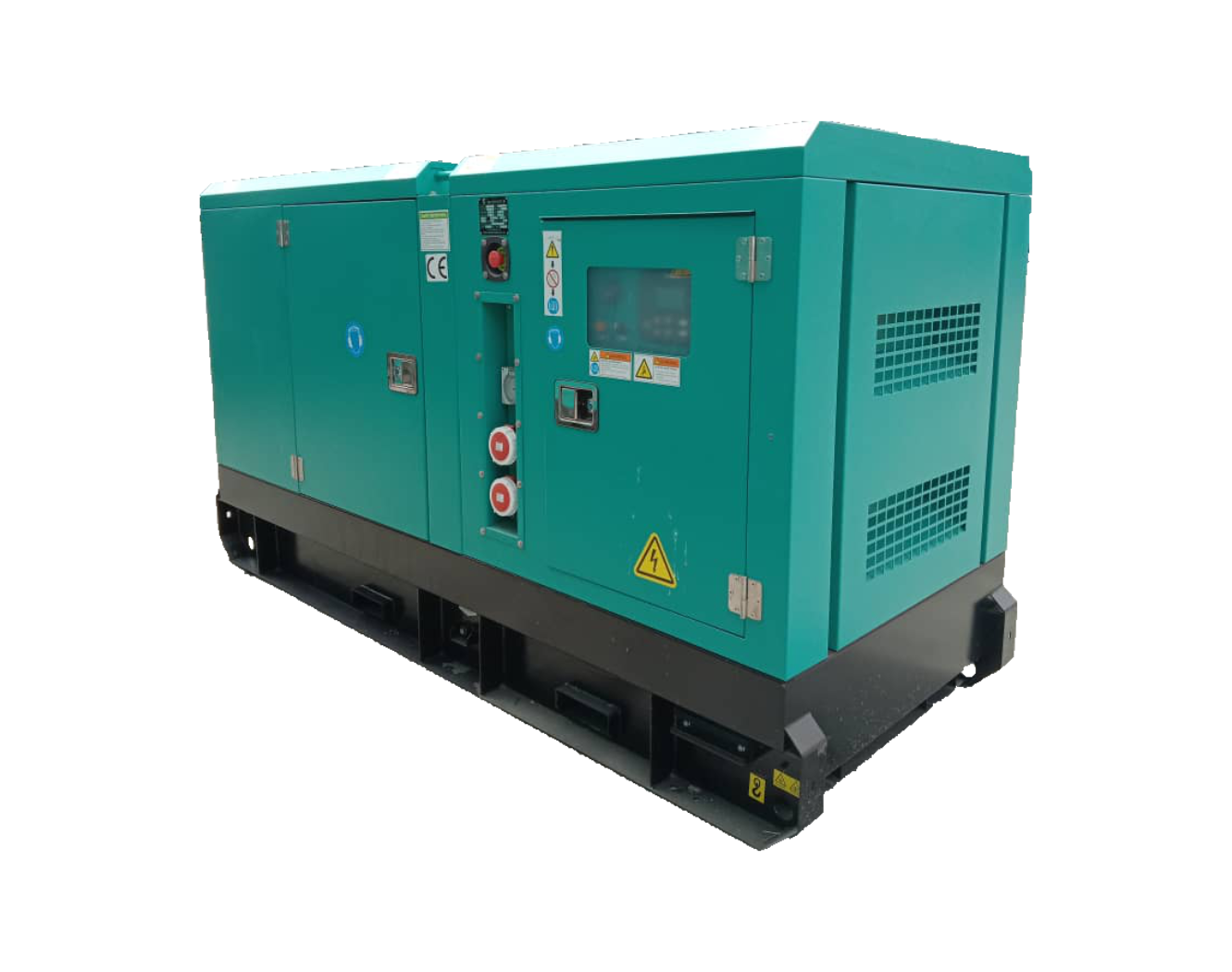


Choosing the right generator size for a data centre is not a guessing game. Undersize, and your servers crash during the first extended outage. Oversize, and you waste capital on a genset that runs at 20% load — causing wet stacking, carbon buildup, and premature engine wear. In Malaysia, where data centre investment is surging across Cyberjaya, Bukit Jalil, and Iskandar Puteri, getting the kVA calculation right from day one protects both your uptime and your bottom line.
This guide walks you through exactly how to calculate generator capacity for a data centre or server room in Malaysia, with real sizing examples, cooling load considerations, and redundancy rules. Whether you are planning a 10-rack server room or a 100-rack colocation facility, MGM Generators offers units from 15kVA to 500kVA that match every tier of data centre power requirement.
Why Generator Sizing Matters for Data Centres
Data centres have three distinct power loads that must all be accounted for when sizing a backup generator:
- IT load — The actual power consumed by servers, storage, and networking equipment. This is typically measured in kW at the rack level.
- Cooling load — CRAC units, chiller plants, and fans consume 30–40% of total data centre power in Malaysia’s tropical climate.
- Ancillary load — Lighting, fire suppression, security systems, UPS charging, and transformer losses add another 5–10%.
A common mistake is sizing the generator for IT load alone, forgetting that cooling must also run on backup power. If your air conditioning fails, servers overheat and shut down within minutes — regardless of whether the generator is still running. Your genset must carry total facility load, not just the servers.
How to Calculate kVA for a Data Centre Generator
The sizing formula is straightforward but requires accurate input data:
Step 1: Determine total IT load (kW)
Count the number of racks × average kW per rack. For example, a 50-rack facility at 5 kW per rack = 250 kW IT load.
Step 2: Add cooling load
In Malaysia, cooling typically adds 40% of IT load. 250 kW × 1.4 = 350 kW total (IT + cooling).
Step 3: Add ancillary load
Add 10% for lighting, UPS charging, and losses. 350 kW × 1.1 = 385 kW.
Step 4: Convert to kVA
Divide by power factor (typically 0.8 for data centres). 385 kW ÷ 0.8 = 481 kVA.
Step 5: Add headroom for future growth
Add 20–30% for expansion. 481 kVA × 1.25 ? 600 kVA.
For this 50-rack example, you would need a 500kVA or 600kVA generator depending on your growth timeline and redundancy configuration.
Sizing Quick Reference Table
Here is a practical sizing guide for common data centre configurations in Malaysia:
- 5-rack server room (25 kW IT load) ? 50kVA generator with 30% headroom
- 10-rack server room (50 kW IT load) ? 100kVA generator — see 100kVA MGM Generator
- 25-rack facility (125 kW IT load) ? 250kVA generator — see 250kVA MGM Generator
- 50-rack colocation (250 kW IT load) ? 500kVA generator — see 500kVA MGM Generator
- 100+ rack hyperscale (500+ kW IT load) ? 1000kVA+ with N+1 parallel configuration
Data Centre Generator Sizing Example
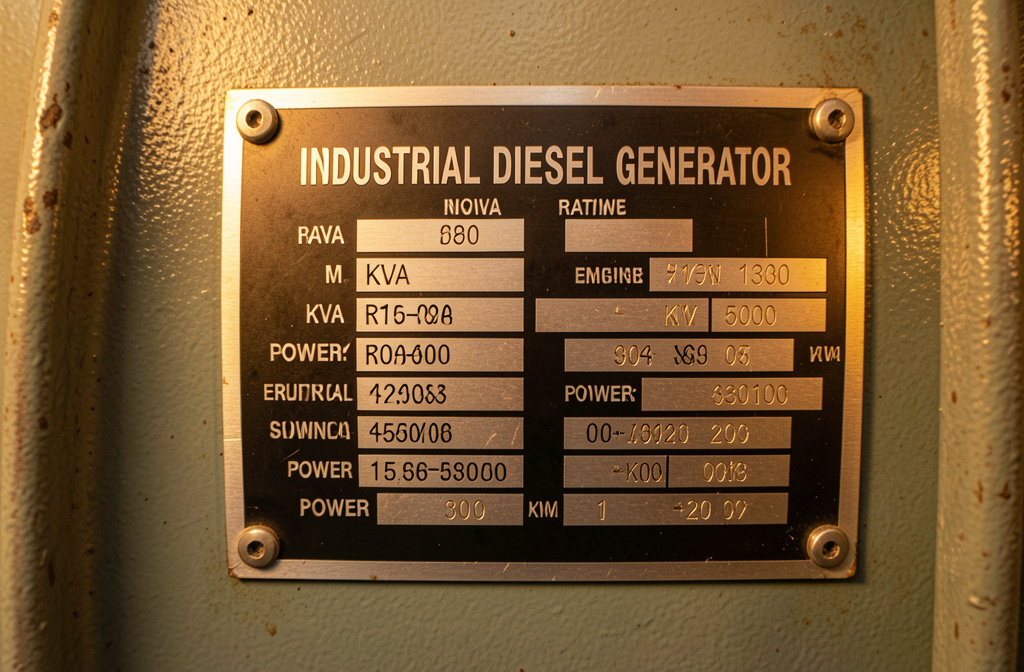
A mid-size data centre in Cyberjaya is planning a 30-rack deployment with the following specifications:
- Average rack power: 6 kW (high-density computing)
- IT load: 30 racks × 6 kW = 180 kW
- Cooling load: 180 kW × 0.40 = 72 kW
- Ancillary: 252 kW × 0.10 = 25.2 kW
- Total kW: 277.2 kW
- Converted to kVA: 277.2 ÷ 0.8 = 346.5 kVA
- With 25% growth headroom: 346.5 × 1.25 = 433 kVA
This facility would select a 500kVA generator for single-unit operation, or two 350kVA units in N+1 configuration for redundancy. MGM’s 350kVA Premium Generator is a strong fit for the N+1 parallel setup.
N+1 vs Single Generator for Data Centres
For mission-critical data centres, a single generator is a single point of failure. The standard redundancy configurations are:
- N (no redundancy) — One generator sized for full load. Lowest cost, but any generator failure means total outage. Suitable only for Tier I/II server rooms.
- N+1 — Two generators, each capable of carrying the full load. If one fails, the other takes over automatically. The most common configuration for Malaysian data centres. Requires an Automatic Transfer Switch (ATS) and parallel control.
- 2N — Two completely independent generator systems, each serving half the load on separate electrical paths. Required for Tier III/IV facilities. Highest cost but maximum uptime.
For most Malaysian SME and mid-tier data centres, N+1 offers the best balance of cost and reliability. MGM Generators can configure parallel setups with automatic load sharing and failover.
Get Expert Generator Sizing for Your Data Centre
Not sure what kVA rating you need? Call +6012 9689816 or WhatsApp us for a free sizing consultation. Our engineers will calculate your exact load requirements and recommend the right generator configuration for your facility.
Visit our contact page to submit your data centre specifications, and we will respond within 24 hours with a detailed proposal covering kVA rating, redundancy options, ATS requirements, and delivery timeline.