
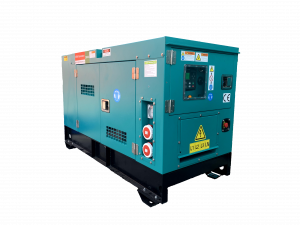

5 Monsoon Mistakes That Kill Generators (And What They Cost You)
After every monsoon, technicians hear the same five confessions. “We never tested it on load.” “We left the tank half full.” “We put it in the low corner because that’s where the space was.” Each one is cheap to avoid — and expensive to learn. Here’s what actually goes wrong, for homes and small factories alike, and the fix that takes an afternoon.
Mistake 1: Buying for the brochure, not for your loads
The bill: a set that stalls when the fridge compressor kicks in during an outage — protection theatre, not backup.
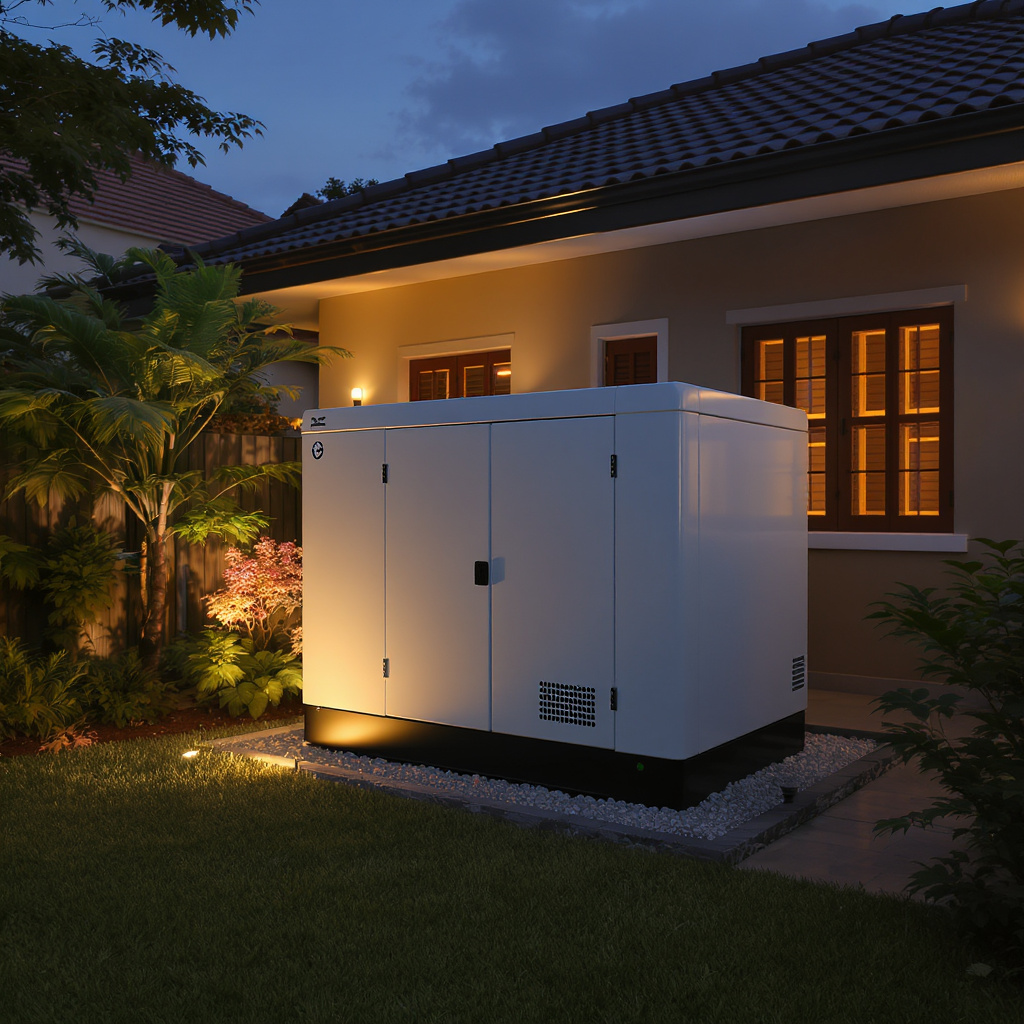
The fix (home): list what must run: fridge, lights, Wi-Fi, fans, medical devices. A silent 5–9 kVA diesel or petrol unit covers most terrace homes; multiple aircons mean stepping up or using staged starting.
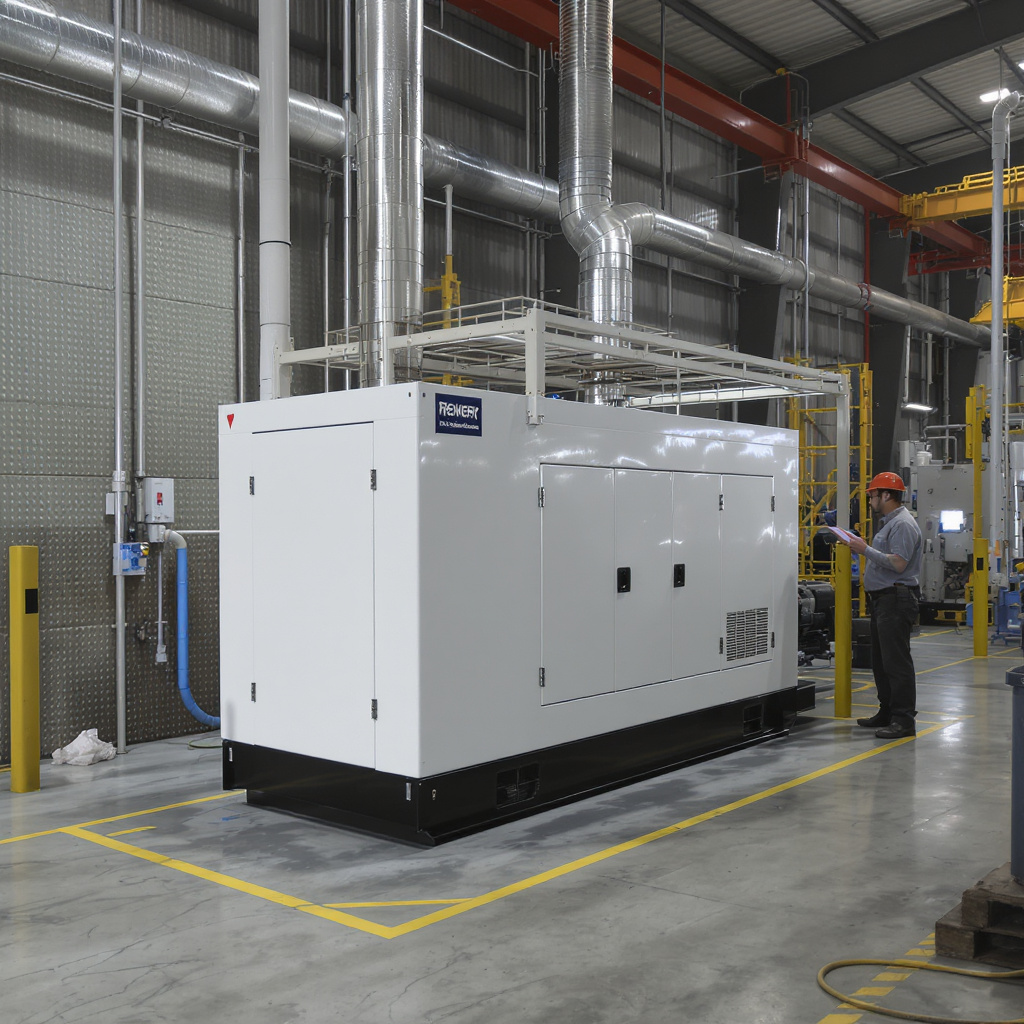
The fix (factory): map start currents of compressors, CNCs, chillers, servers from nameplate data. Most Malaysian SMEs land between 60–160 kVA for core uptime.
Mistake 2: Installing it where the water goes
The bill: a submerged alternator. Insurance disputes follow.
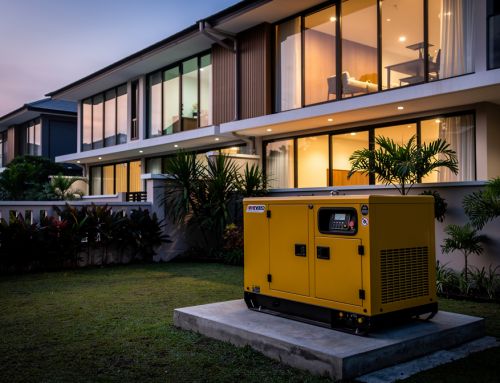
The fix: raised, level plinth 100–150mm above grade, water channelled away from the canopy, at least 0.8m service clearance, exhaust away from windows and neighbours. Add an acoustic enclosure — below 65 dB(A) at 7m keeps terrace-house peace.
Mistake 3: No transfer switch, or a DIY one
The bill: backfeed into the grid — a genuine danger to TNB crews, and a compliance problem you don’t want.
The fix: a professionally installed ATS. Seamless switchover when the grid drops, no extension cords through windows.
Mistake 4: Ignoring fuel in a humid country
The bill: water and algae in the diesel, clogged filters, a genset that runs 20 minutes into the storm and quits.
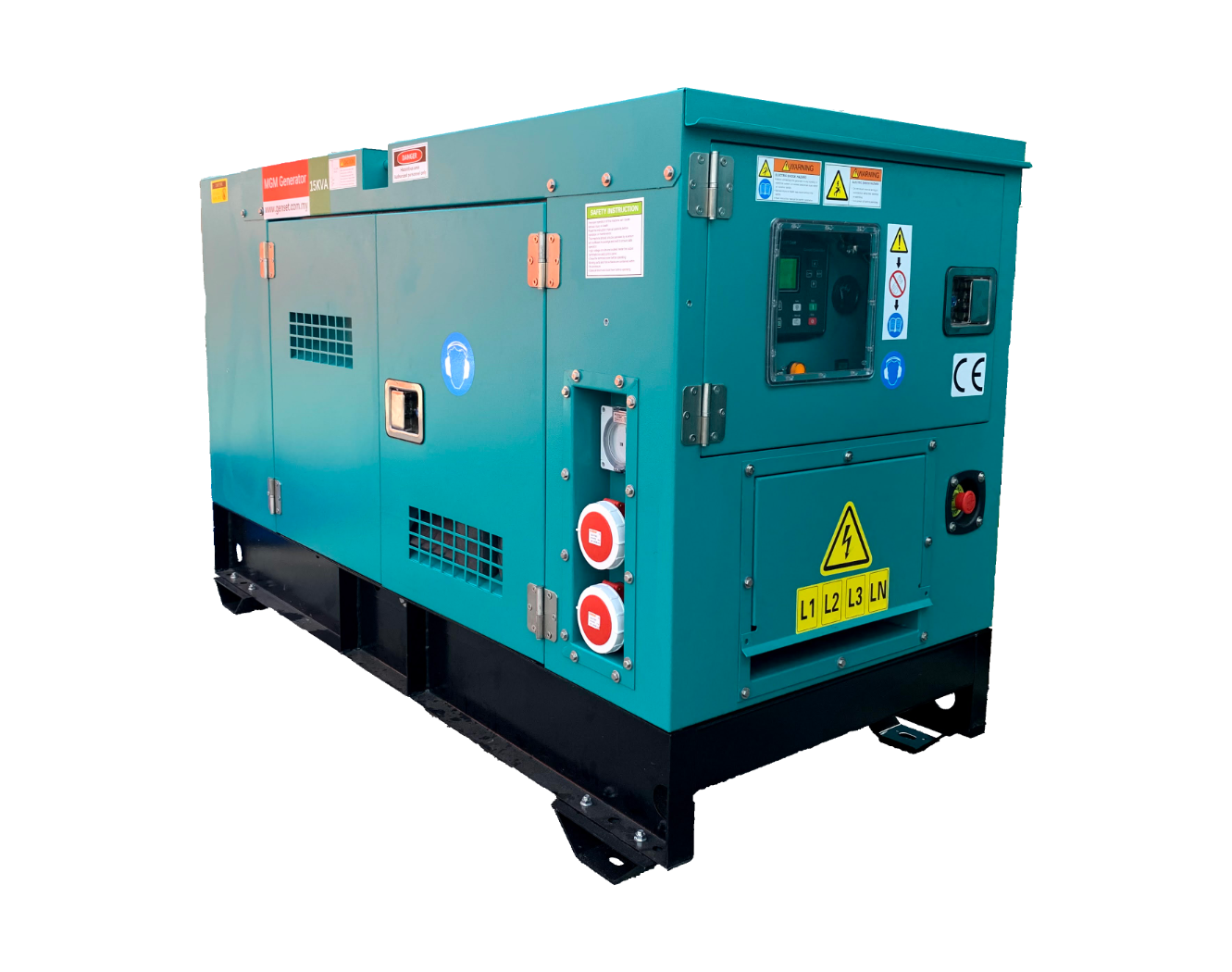
The fix: keep day tanks topped up (less air space, less condensation), drain water traps regularly, use bunded tanks and scheduled fuel polishing in humid months, and store treated fuel safely for the season. A 30 kVA home-ready unit like the 30 kVA MGM Generator sips fuel steadily through long outages.
Mistake 5: “Set and forget” maintenance
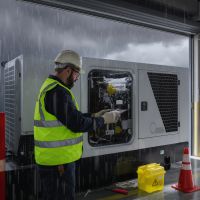
The bill: dead batteries (heat kills them quietly), slipped belts, a controller fault nobody saw — all discovered at the worst possible moment.
The fix: quarterly inspection, annual load-bank test, battery replacement every 2–3 years, and a simple GSM monitoring module that texts you on low fuel or faults during off-hours.
What avoiding these mistakes is actually worth
For a home: a right-sized set protects RM1,000+ of chilled goods a year and keeps remote work — and the Wi-Fi — alive.
For a small factory: one missed shipment or an eight-hour machine re-setup costs more than a year of financing on a proper set. Price backup per avoided downtime hour, not per kVA, and the maths turns fast.
Ready-made, not homemade
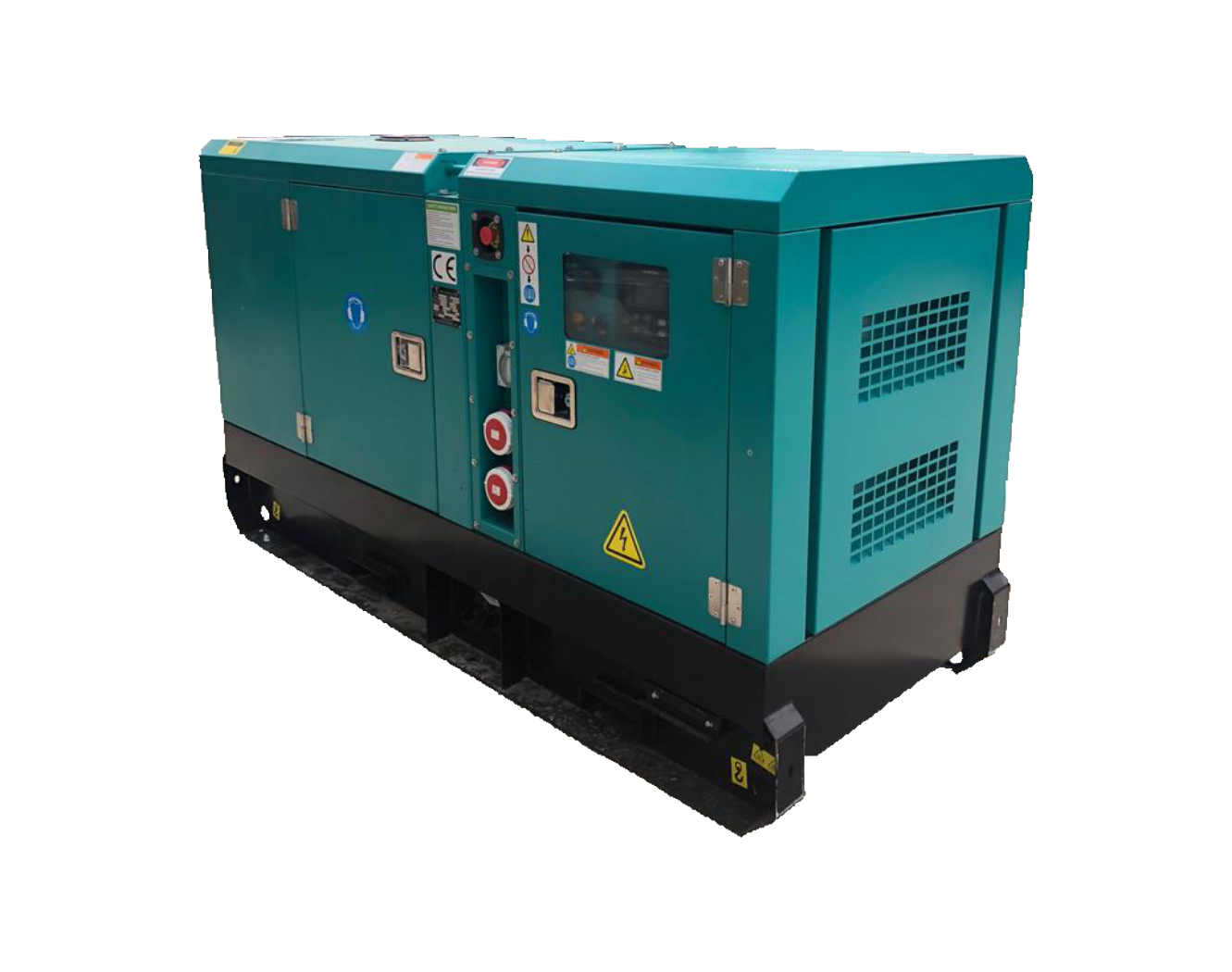
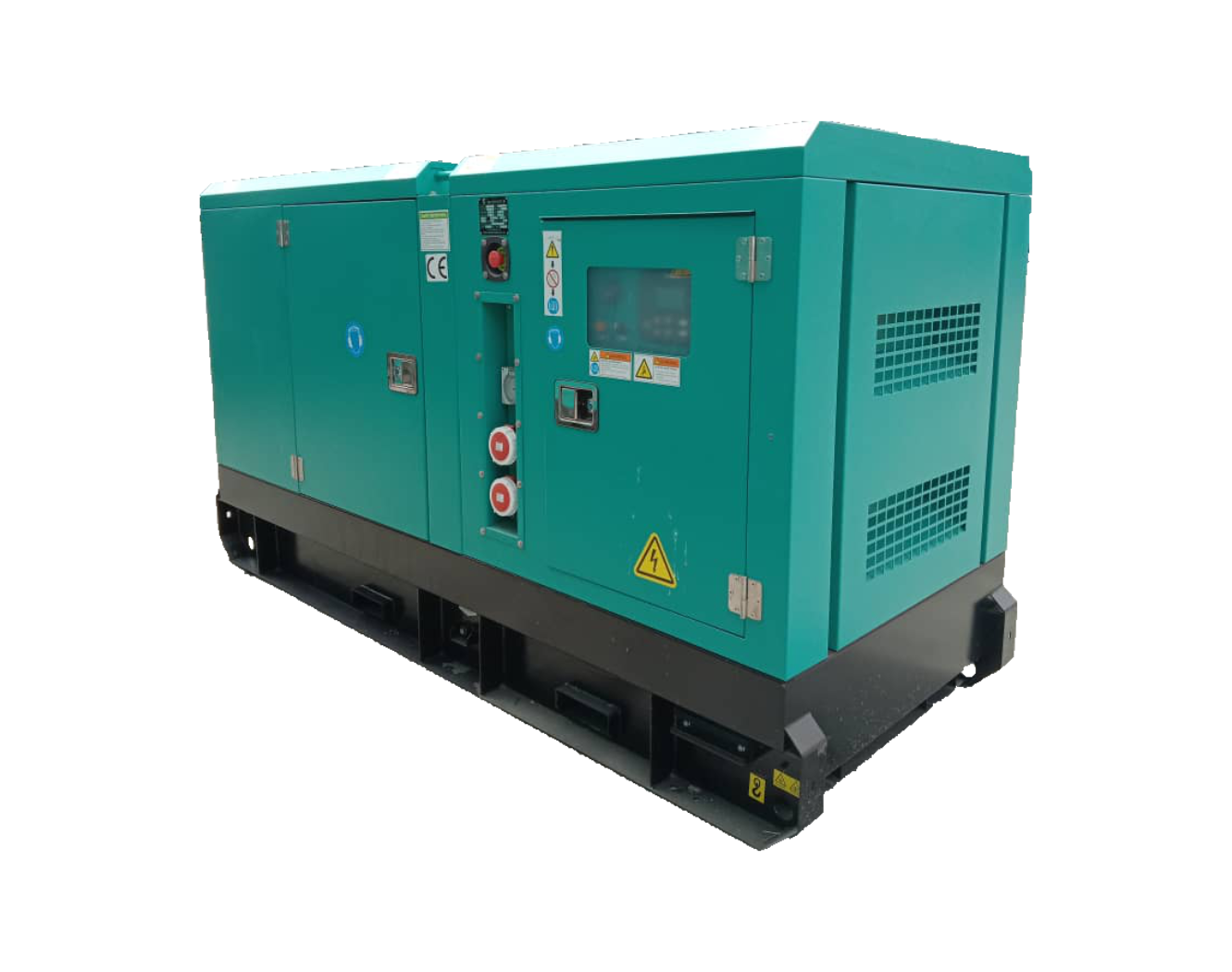
If you’d rather skip the mistakes entirely, pre-engineered packages shorten the whole journey: the 60 kVA MGM Generator, 100 kVA MGM Mark 12 or 160 kVA MGM Premium for factories stepping up in capacity.
Not sure what size fits your home or floor? We’ll assess loads, site conditions and compliance, then propose a package with financing and maintenance. Browse the online shop, contact us, email genset@genset.com.my or call +6012-968 9816. When the skies open, your power shouldn’t.